A fragmented system of emails, spreadsheets, folders, and manual follow-ups supported more than 500 legal professionals across teams and 1,000+ cases every week.
I led the research, strategy, and experience design of a centralized Document Management System that connected documents, people, and workflows and gave legal teams greater visibility, control, and confidence.
 60%
60%
reduction in document
retrieval time
 3x
3x
faster workflow
coordination & handoffs
 80%
80%
improvement in
document discoverability
Research & Discovery
A growing law firm held together by emails
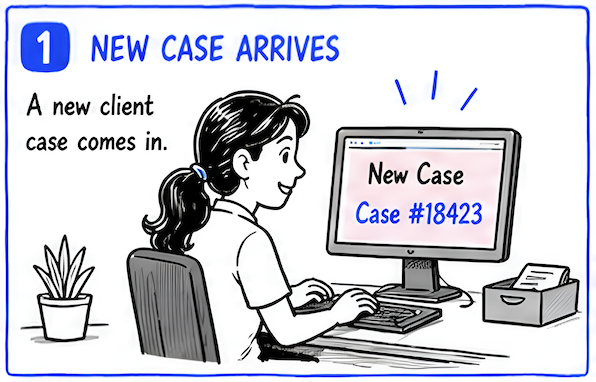
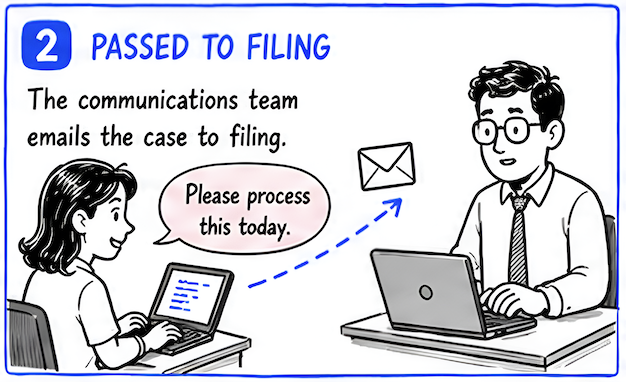
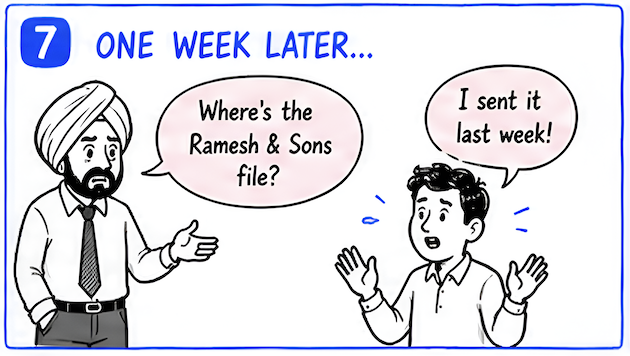
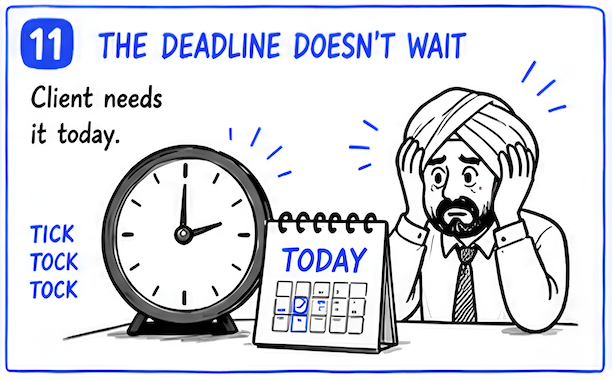
Every legal matter moved through multiple departments before completion. But there was no shared system supporting that movement.
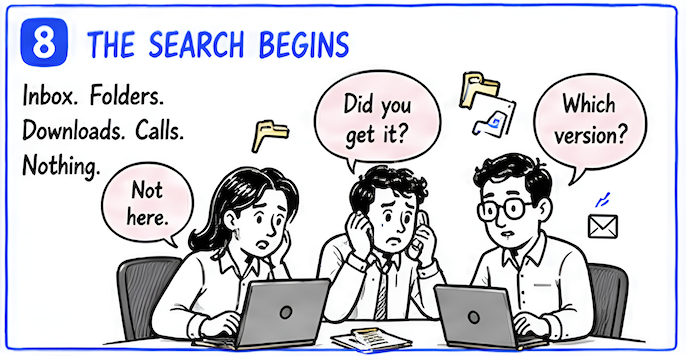
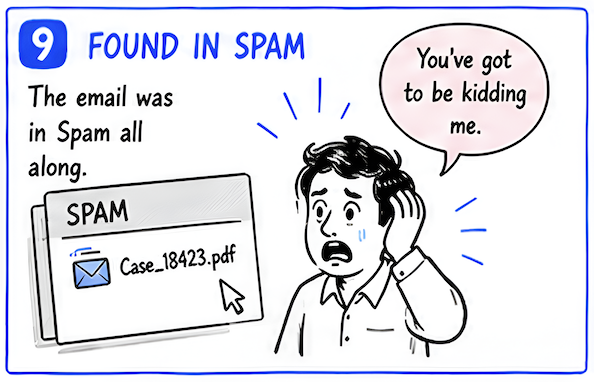
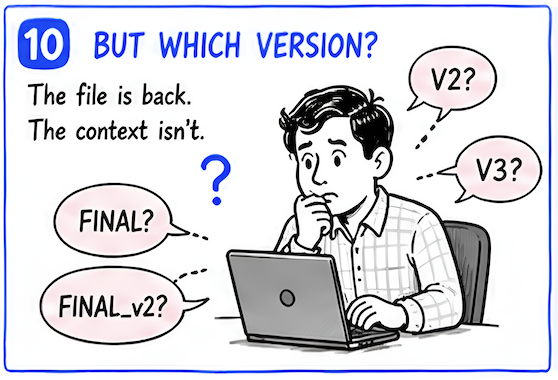
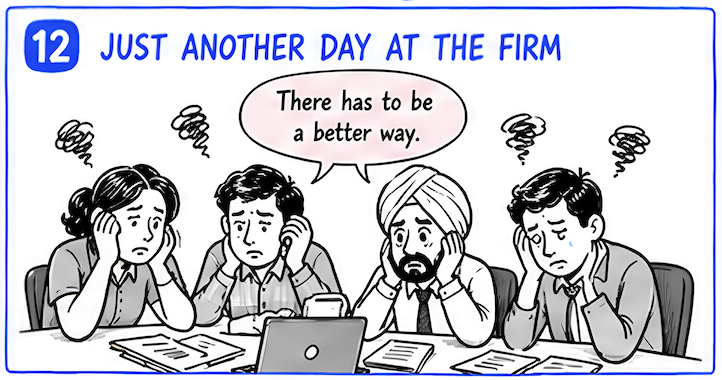
Documents were exchanged over email. Progress was tracked manually. Important context remained trapped in inboxes. Version histories depended on individual memory, and managers frequently followed up to understand where work stood.
As case volumes increased, this informal system began creating real operational risk.

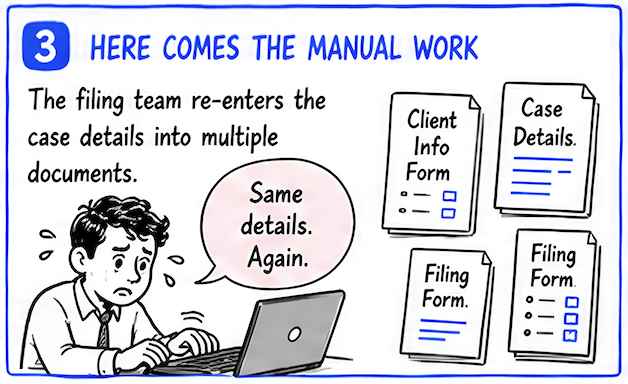
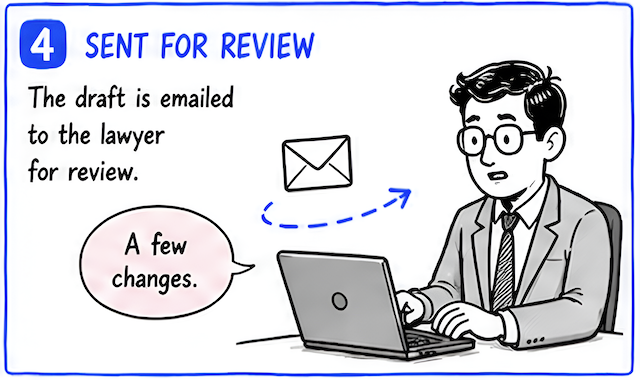
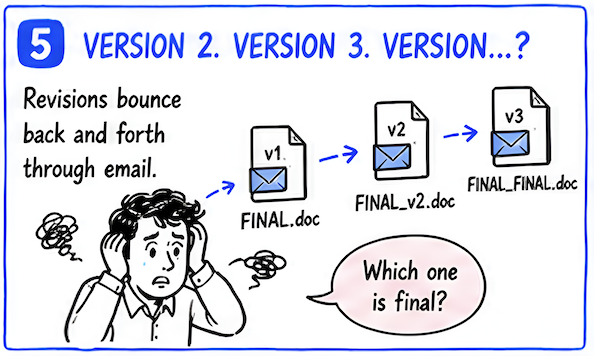
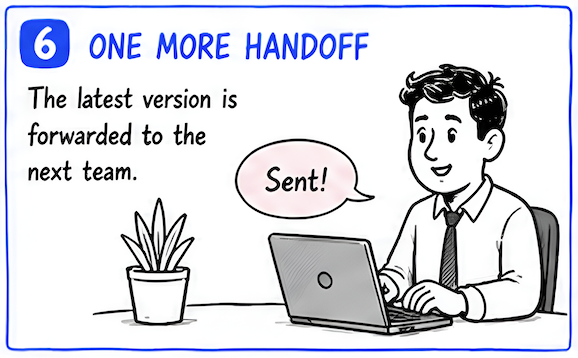
Understanding the workflow before designing the tool
Rather than beginning with features, I investigated how documents, information, and responsibility moved across the organization.
The research combined stakeholder perspectives with direct observation of everyday work.
 06
06
Stakeholder Interviews
 12
12
User Interviews
 03
03
Contextual
Observation Sessions
 200+
200+
Observations
 03
03
Rounds of Usability
Testing

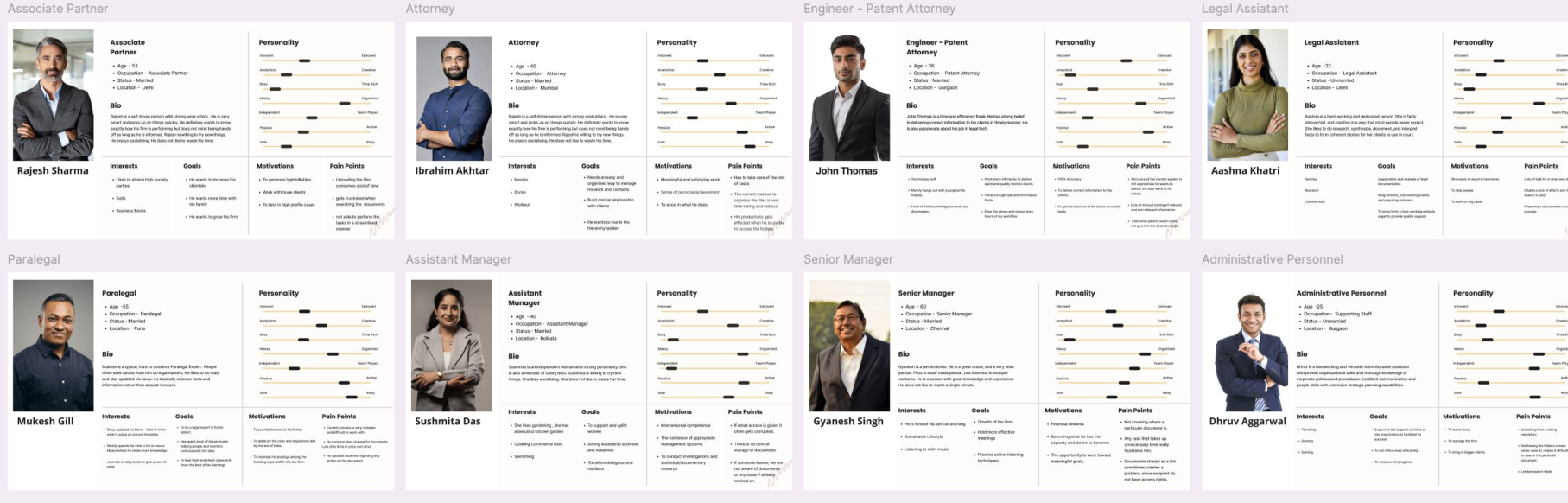
To truly understand how work happened at the firm, I stepped into the day to day realities of the people doing it. I Interviewed, listened, observed, and mapped what I saw


I shadowed employees as they received cases, created documents, searched for files, transferred work between teams, and responded to status requests.
1.User Research
What employees experienced?
- ➔ Documents were difficult to locate.
- ➔ Multiple versions circulated without a clearly approved file.
- ➔ Teams repeated work because previous actions were not visible.
- ➔ Ownership became unclear when documents crossed teams.
- ➔ Administrative tasks consumed time that could have supported legal work.
The first reframing
Leadership initially believed the firm needed a better document repository.
The early workflow analysis suggested a broader challenge:
Documents were not simply difficult to store. They were difficult to move, track, govern, and act upon across teams.


Analysis & Synthesis
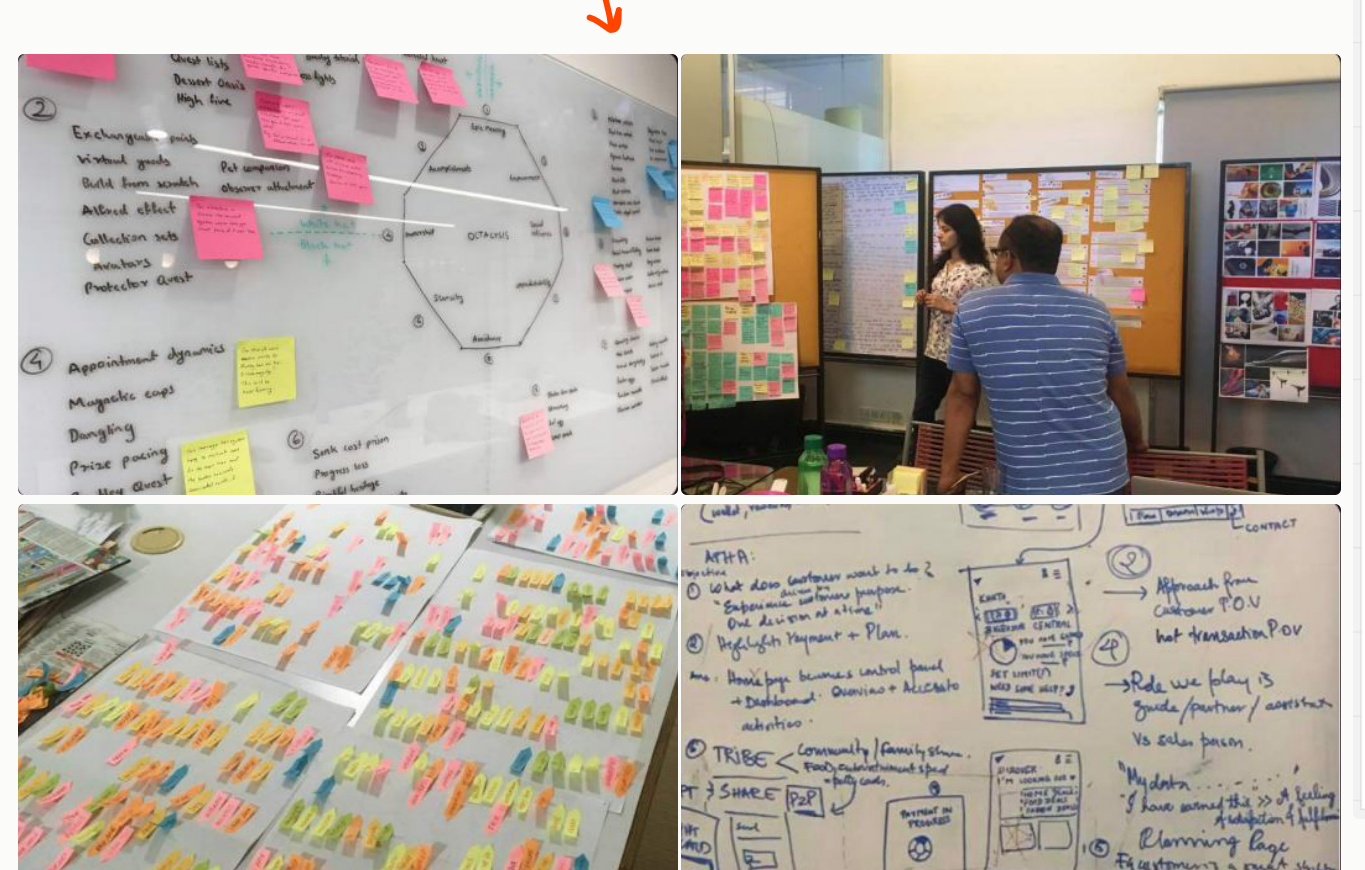
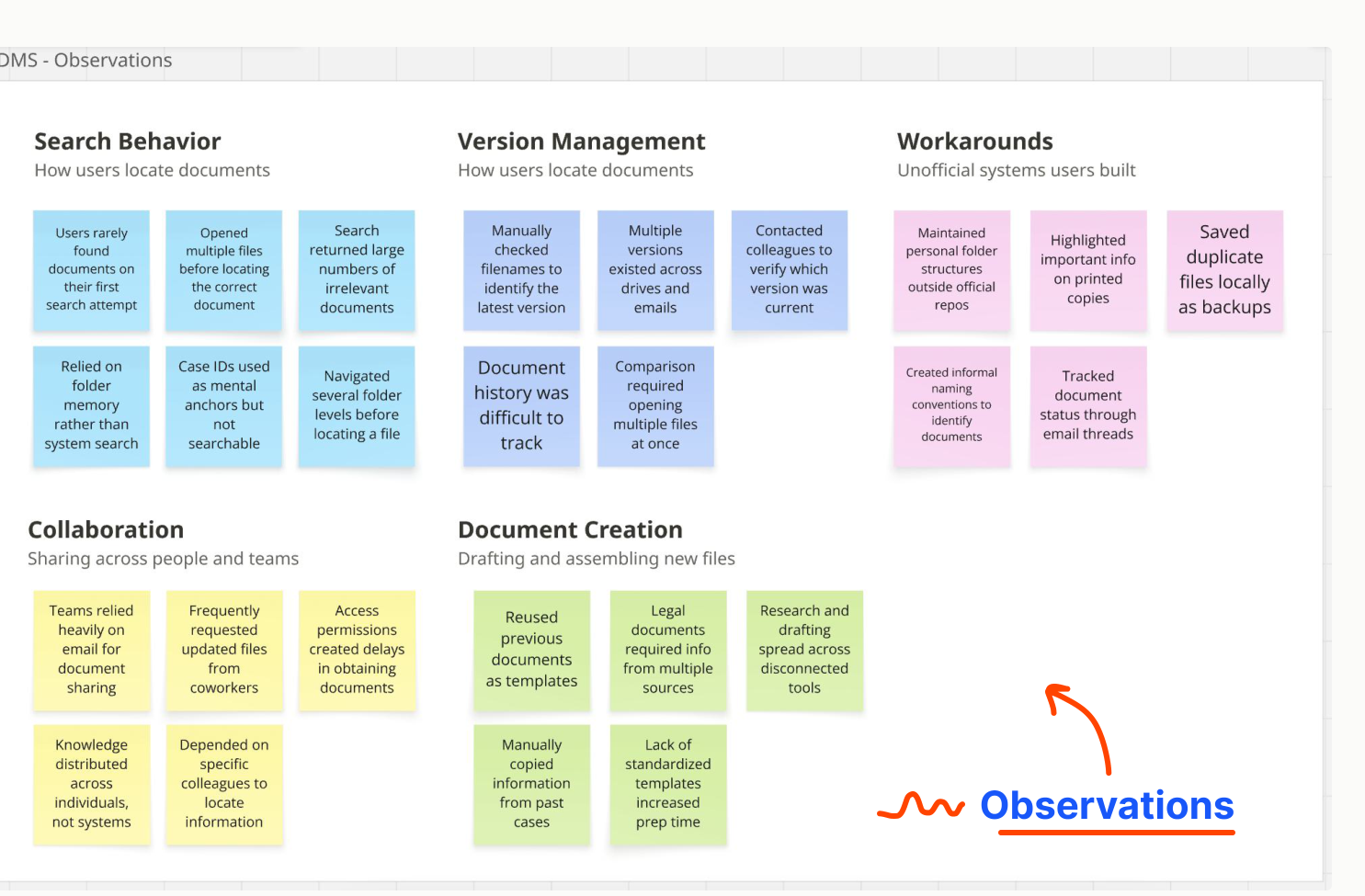


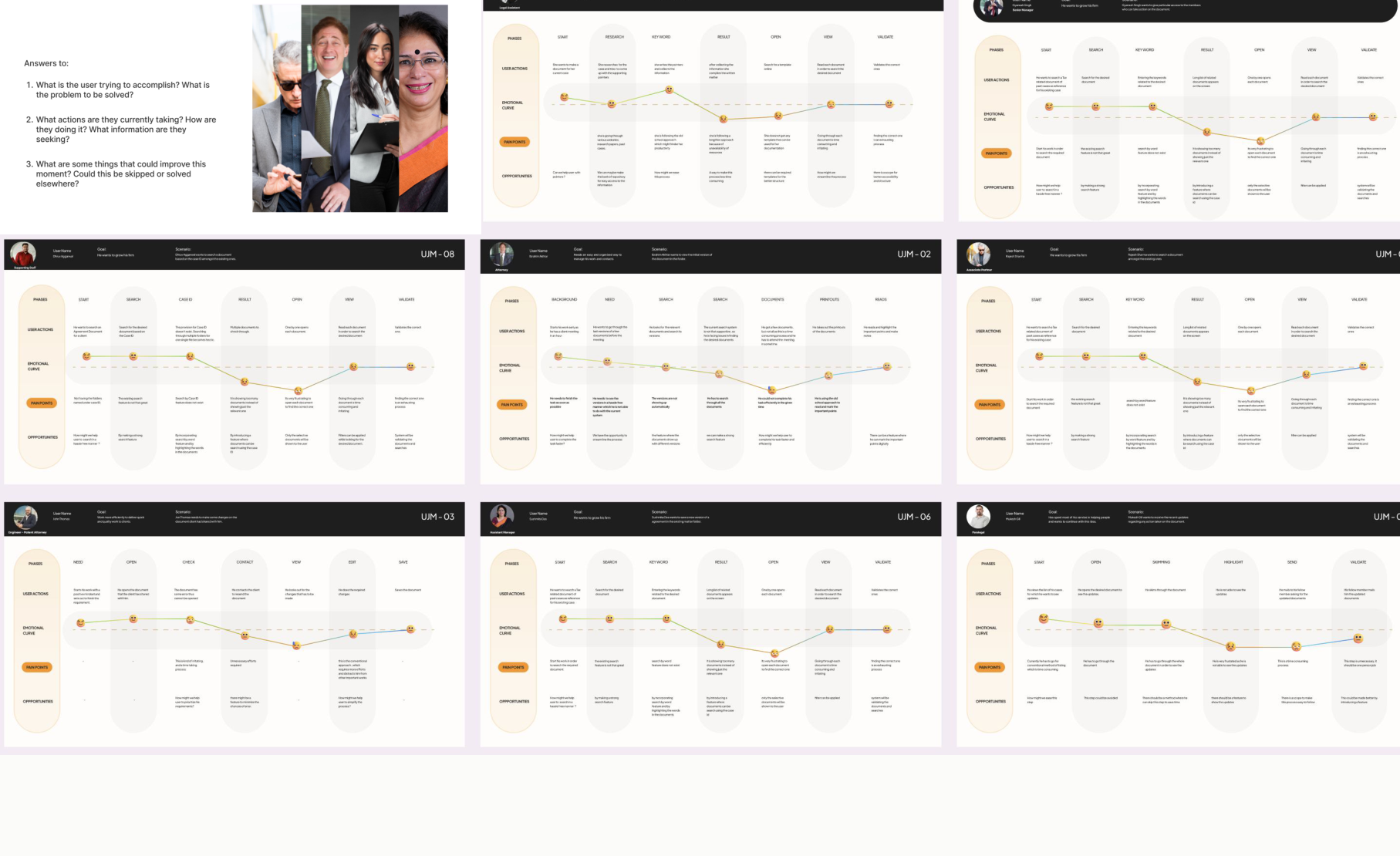
After each interview and observation session, I captured quotes, behaviors, breakdowns, workarounds, and opportunities.
Across 18 research sessions, this produced more than 200 observations.
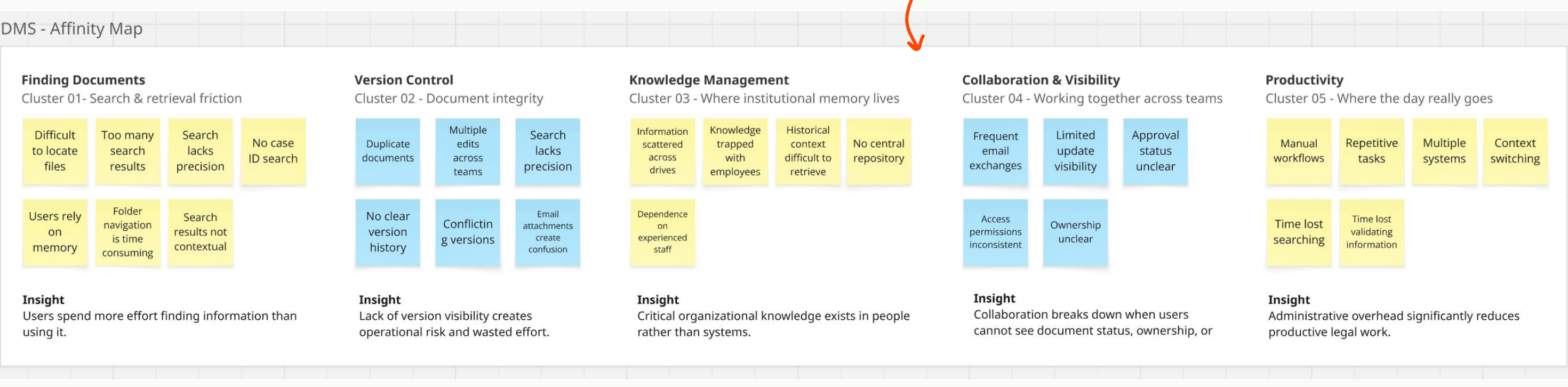
I synthesized the evidence through affinity mapping and thematic clustering, identifying five interconnected themes:

Information access
Finding the correct document depended on knowing where someone had stored or shared it.

Manual processes
Repeated data entry slowed employees down and introduced avoidable errors.

Version management
Employees lacked confidence that they were viewing or editing the most current file.

Workflow visibility
Once work moved to another department, its status and ownership became difficult to trace.

Collaboration
Important decisions and context were distributed across emails, conversations, and individual tracking methods.
Five Key insights that changed the product

Finding information was harder than creating it
Administrative work was consuming time
Version confusion created operational risks
Workflow ownership was invisible
Teams needed a shared source of truth
The firm did not only have a document-management problem.
It had a workflow-coordination problem.