















Futures thinking was getting sidelined, not rejected.
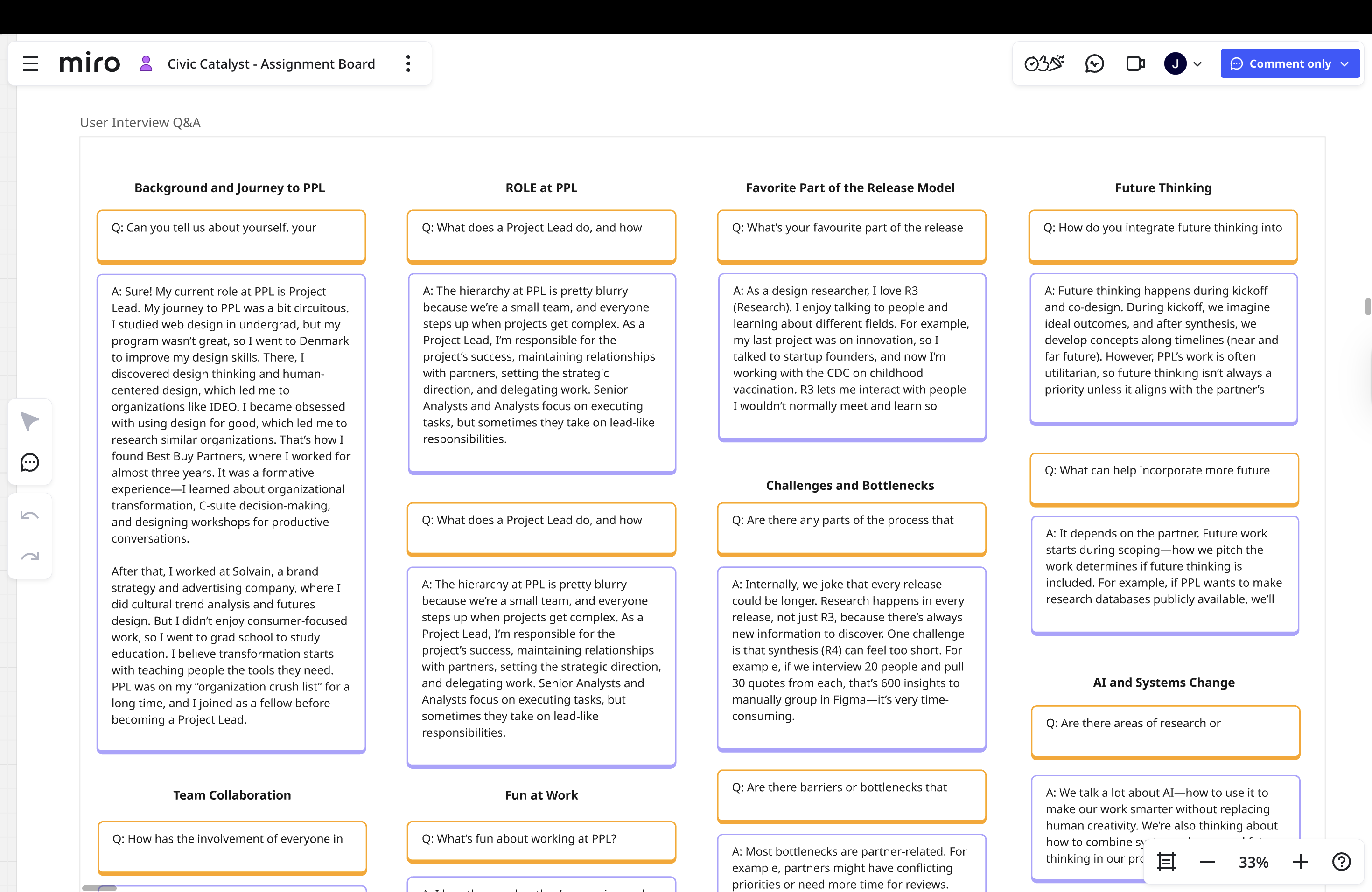
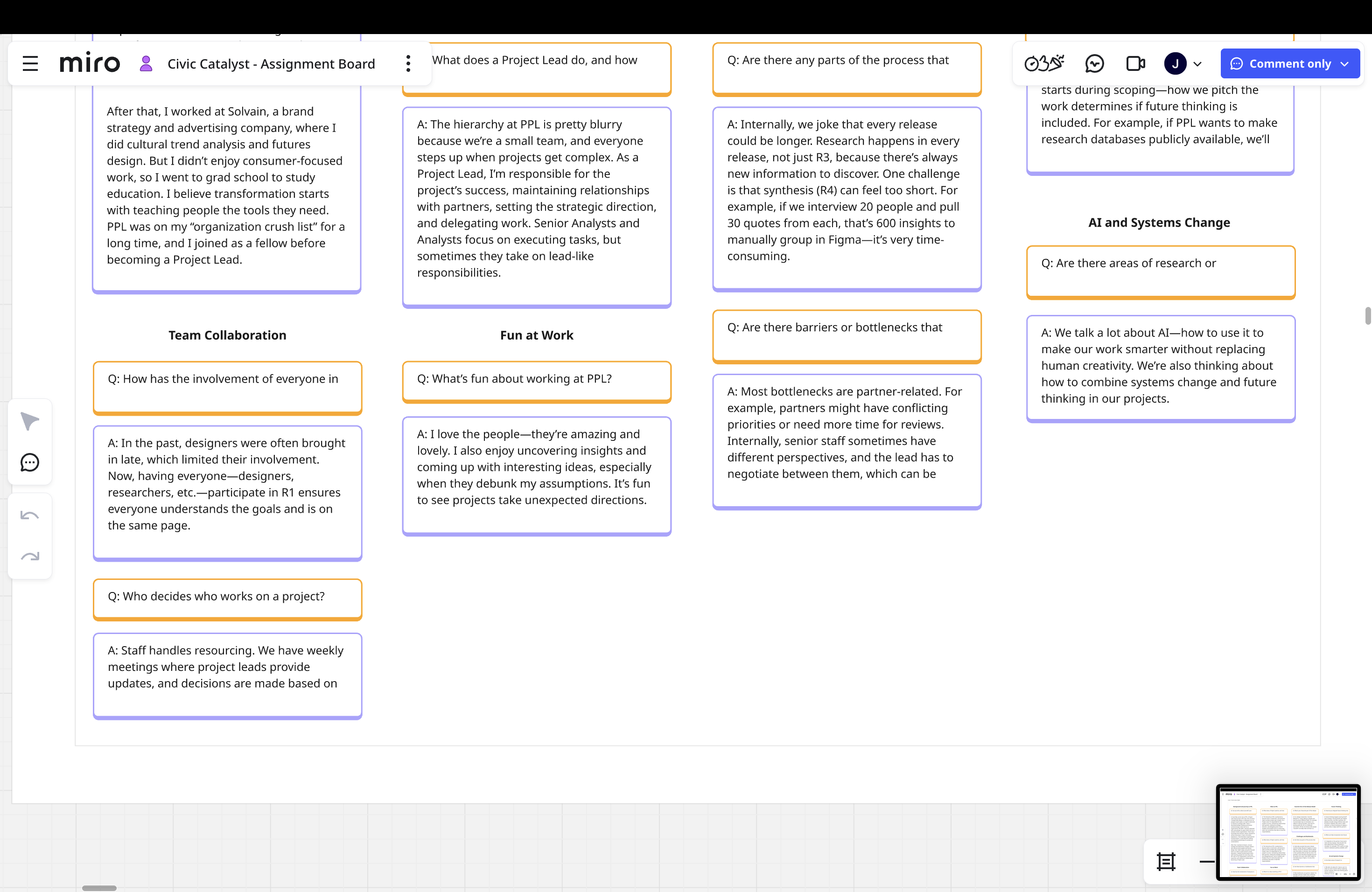
“Future work starts during scoping—how we pitch the work determines if future thinking is included.”

If futures thinking entered too late, it became easier to drop.
New York based Public Policy
Lab. A civic design organization
working with government and
communities.
Embed futures thinking into PPL’s existing release model.
Led research, synthesis, workshop design, and intervention strategy.
3 months
Mixed methods, service design, systems thinking.
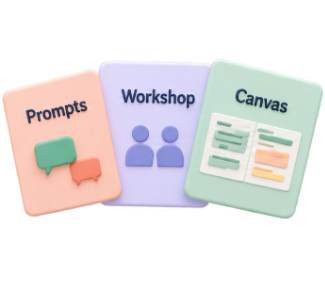
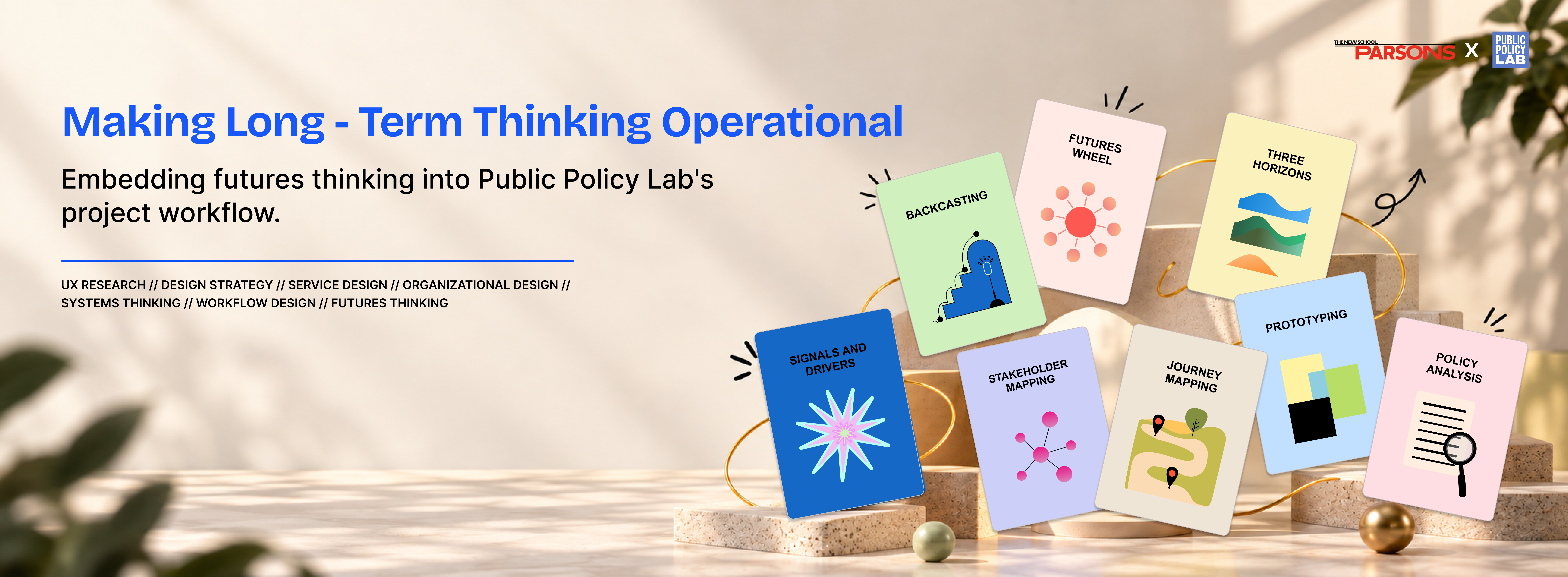
Cards / Future Toolkit
I studied how futures thinking behaved inside PPL's release model and designed a lightweight intervention that helps teams bring long-term thinking into everyday project decisions, without adding more to their plate.
PPL teams already valued long-term thinking, Ideas were generated, but as projects progressed, immediate
delivery needs, partner priorities, and organizational constraints made it difficult for these insights to stay
in the work.
Teams start with big questions and real potential for impact.
Delivery timelines, meetings, and competing priorities take over.
External needs and constraints reshape the focus.
Valuable insights emerge about future implications.
Short-term outputs and milestones move to the front.
It's captured in a deck or doc, but rarely seen again.
Research focused on people, process, and power.
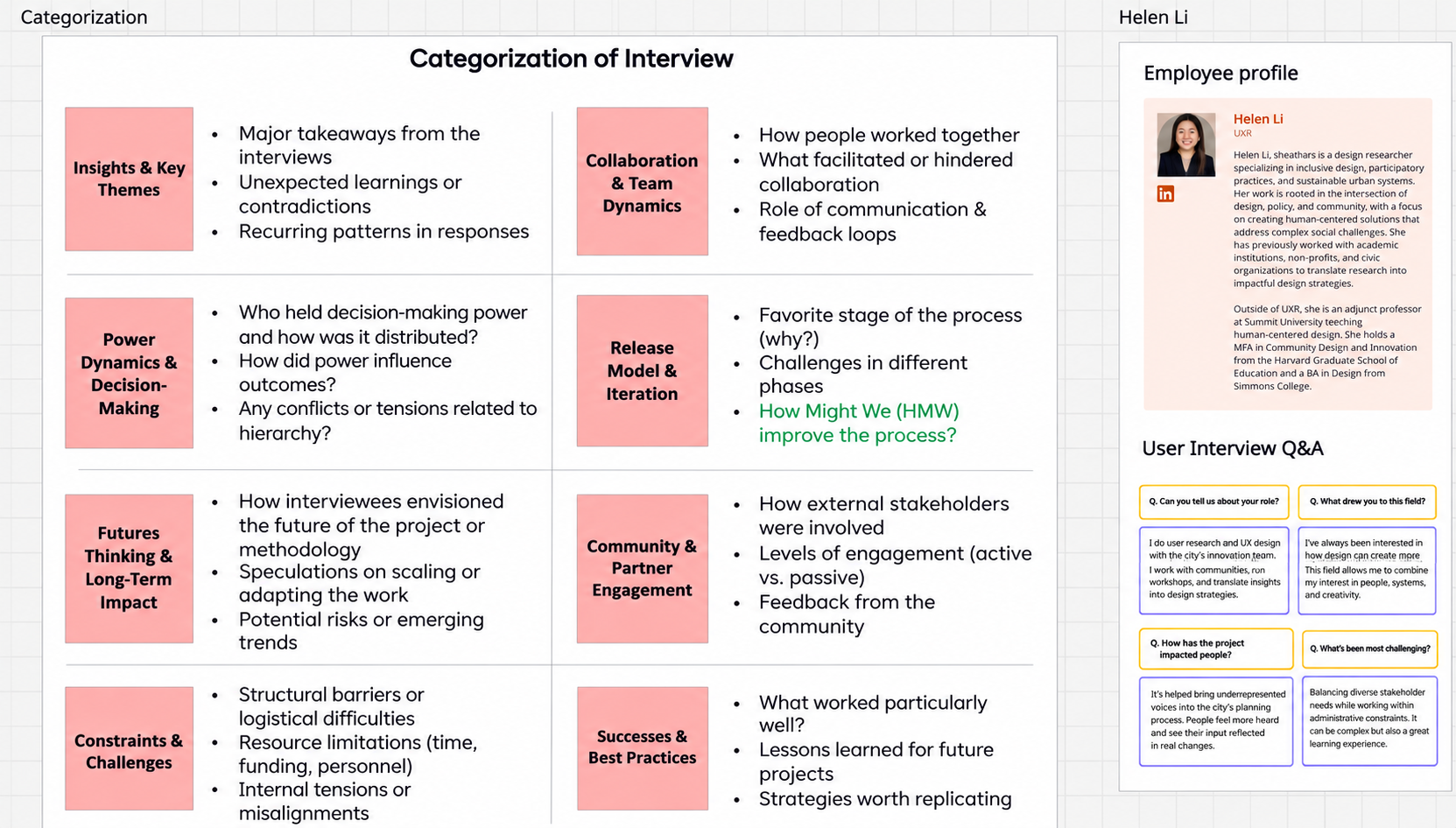
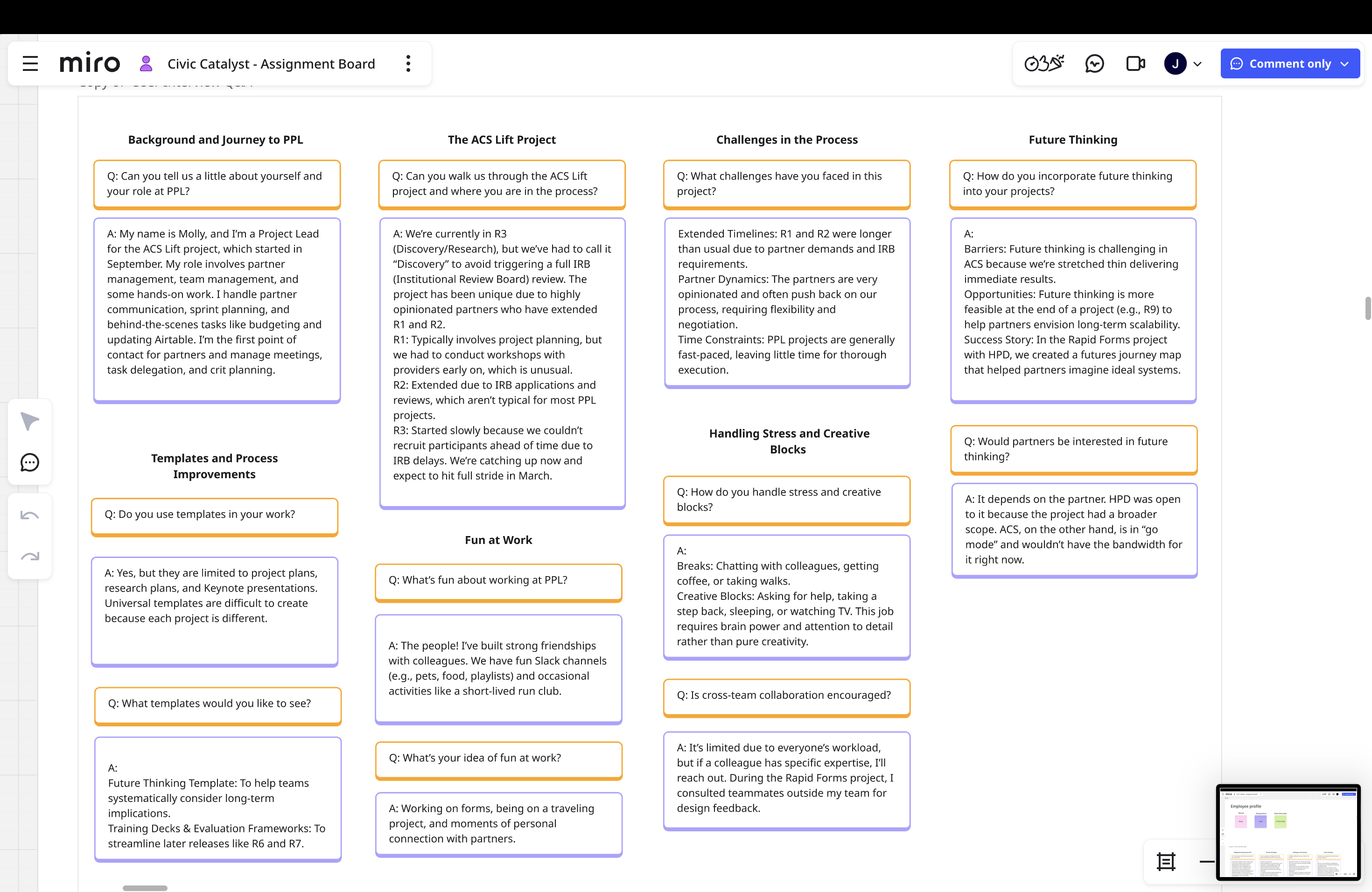
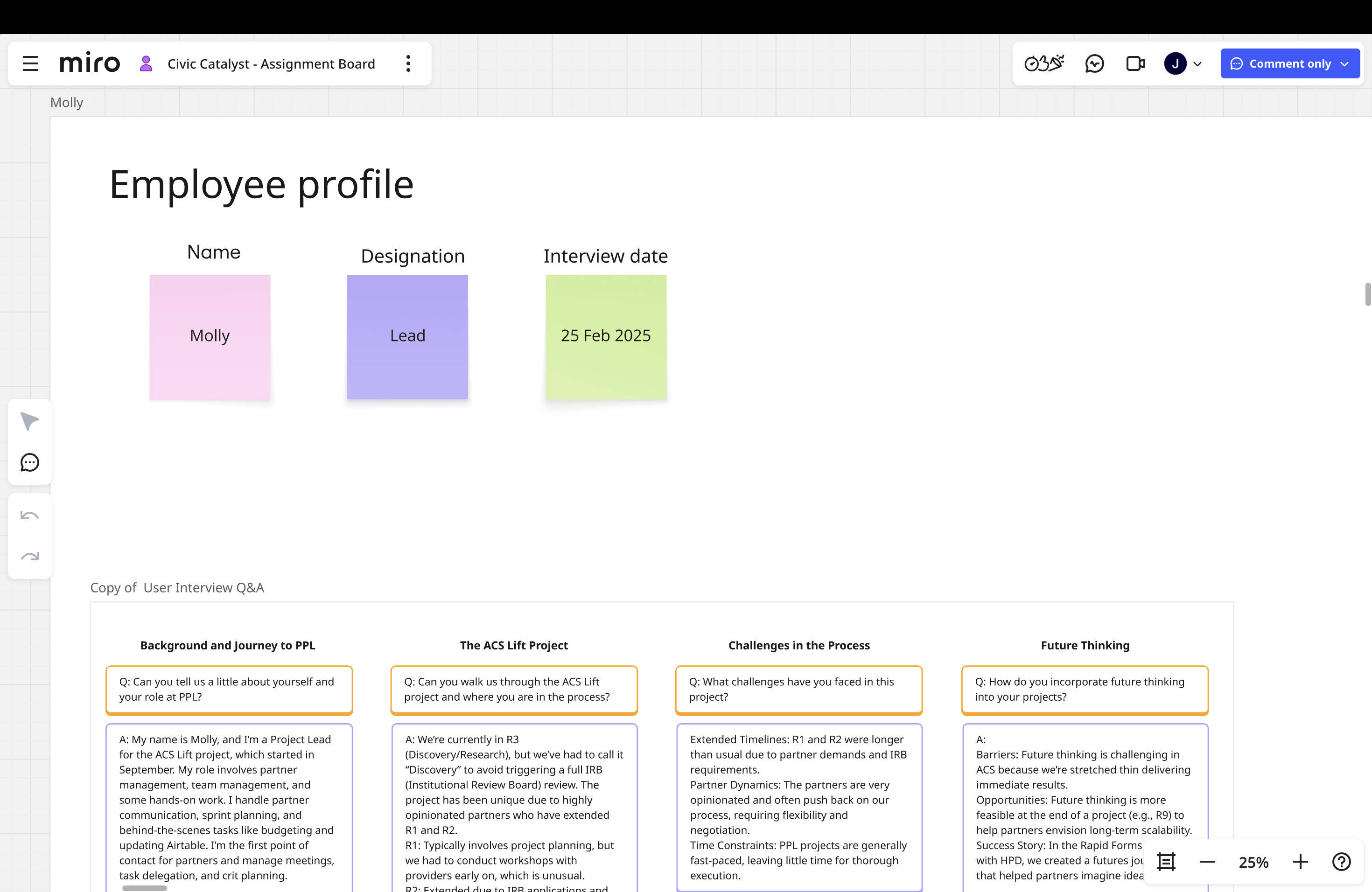
11 semi-structured interviews with project leads, researchers, partners, and delivery practitioners.
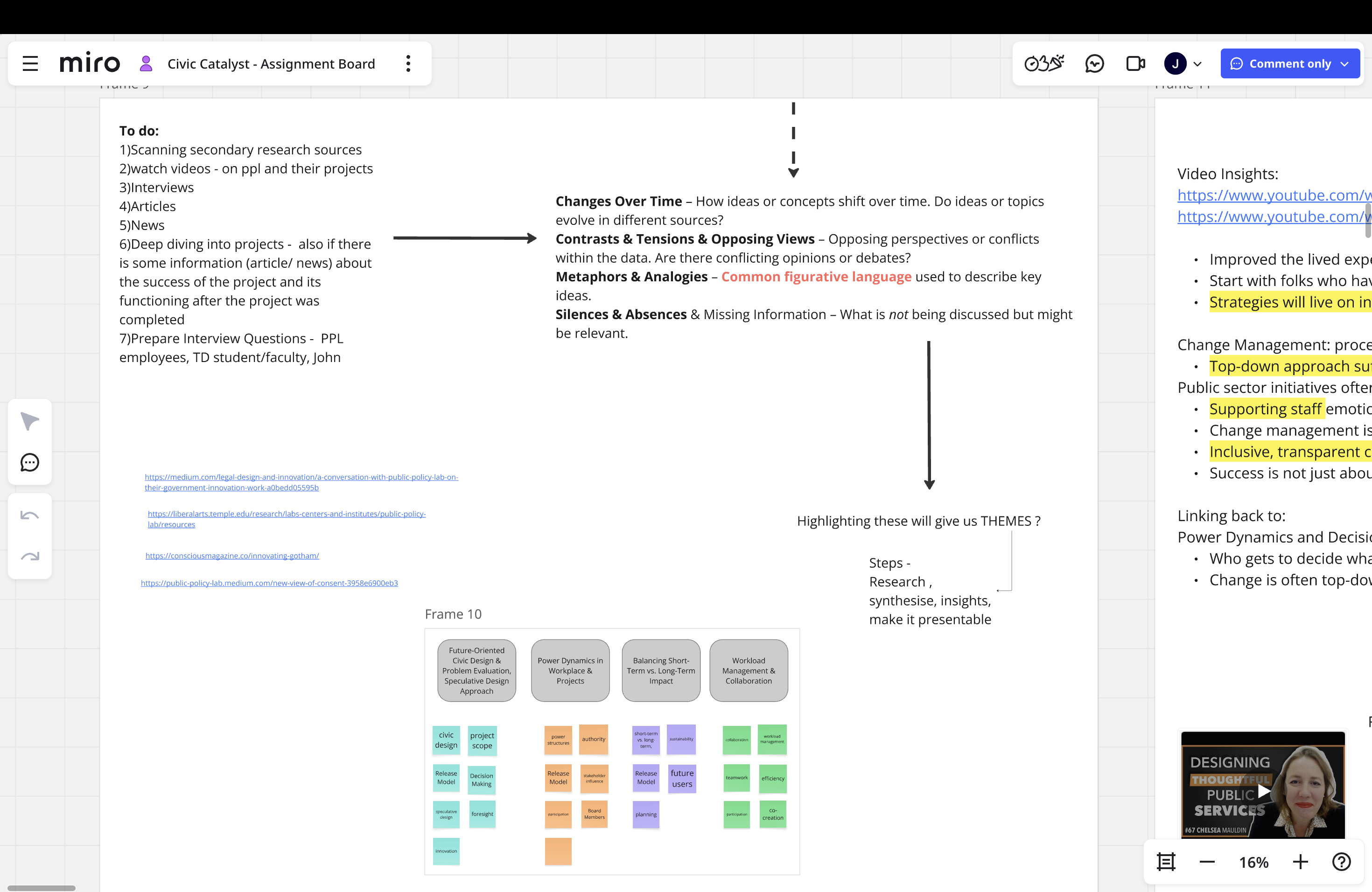
Analysis of project documents, templates, reports, and existing methodology materials.
Mapped stakeholders, decision points, constraints, and workflow relationships.
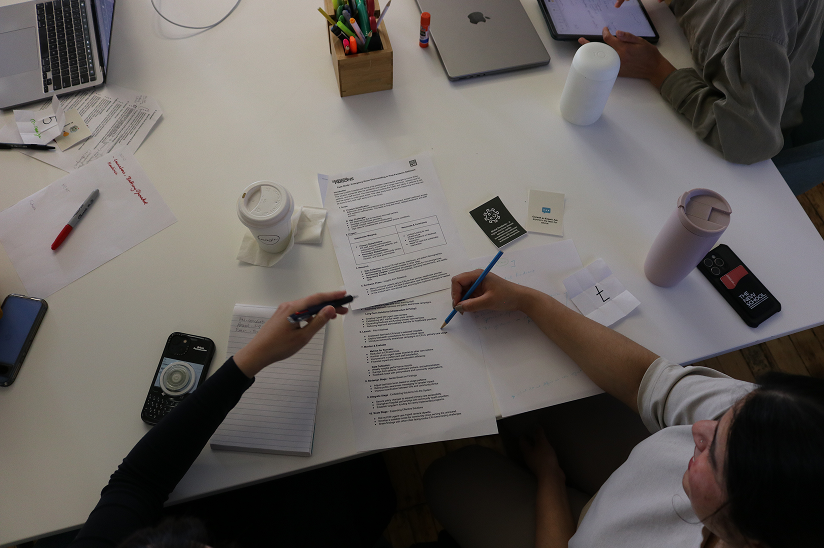
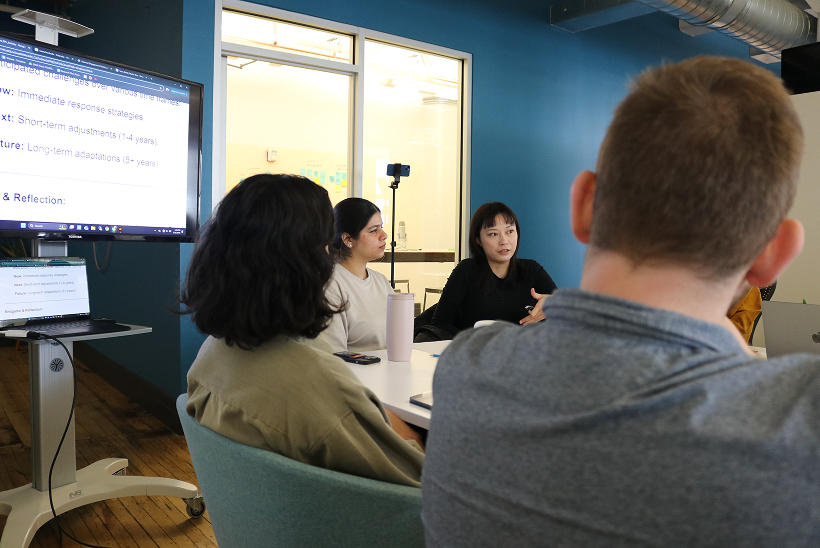
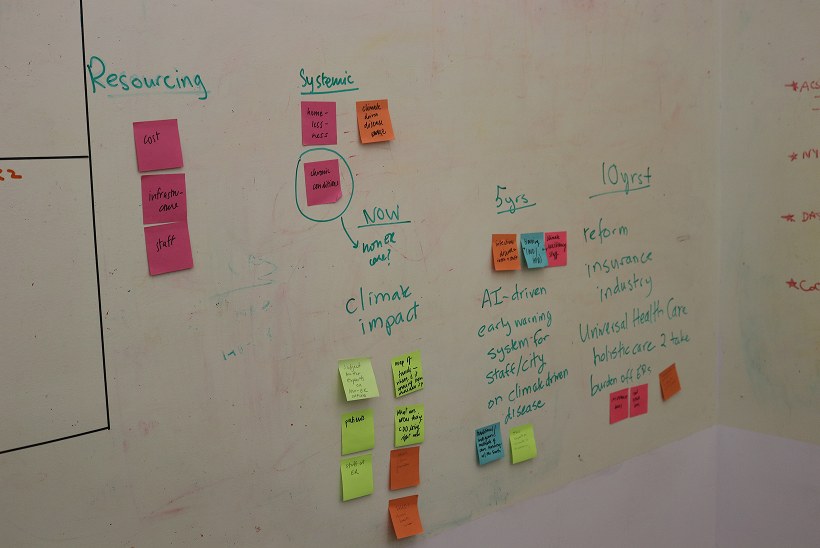
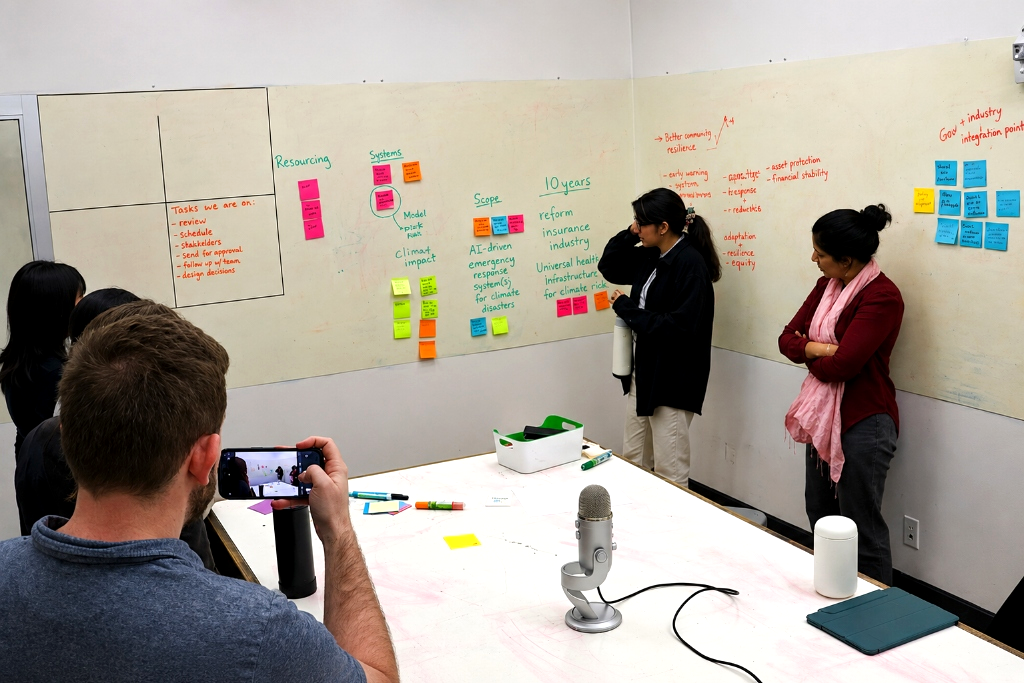
2 workshops to test ideas, explore opportunities, and refine the intervention.
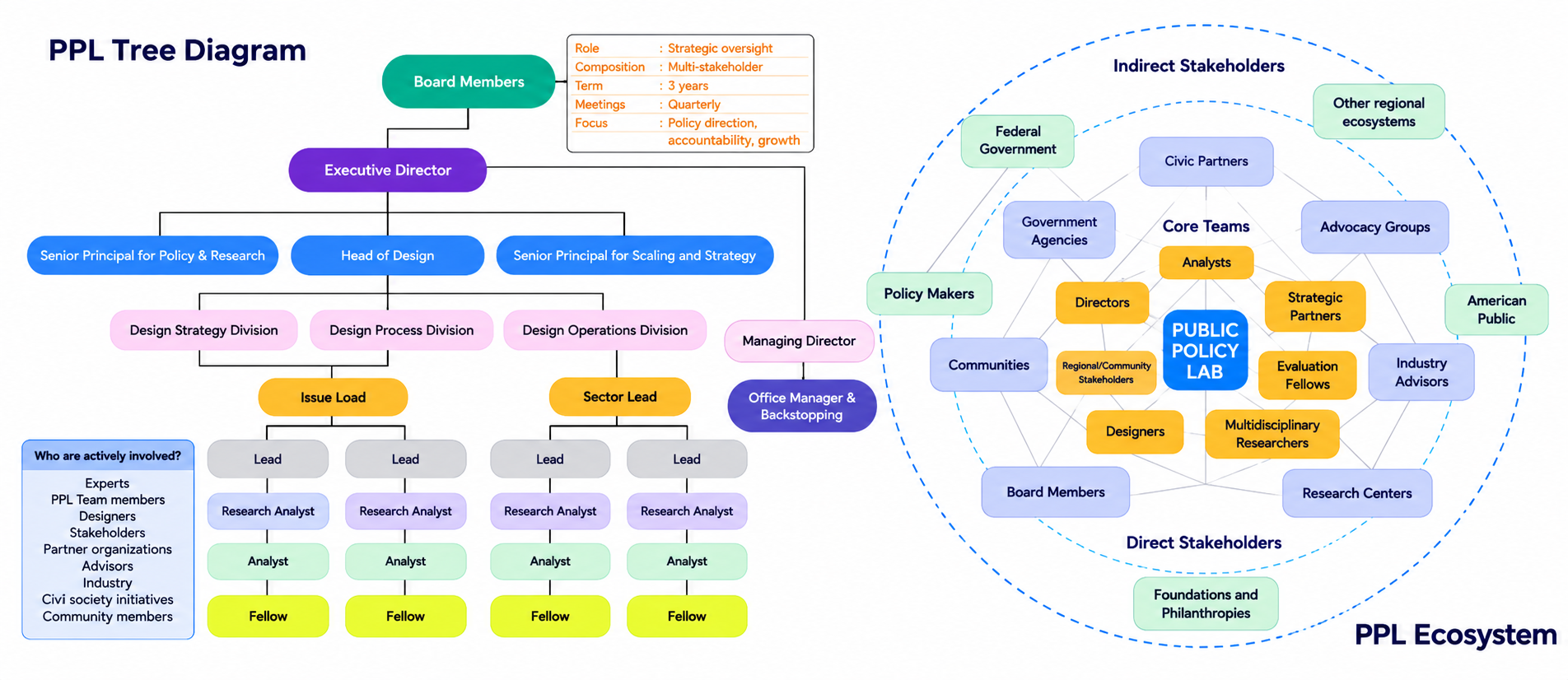
PPL is a civic design organization working across government, nonprofits, and communities. To understand
where futures thinking could survive, I mapped the organization through three lenses: people, process, and power.
roles and responsibilities
how projects move through the Release Model
decision rights and incentives
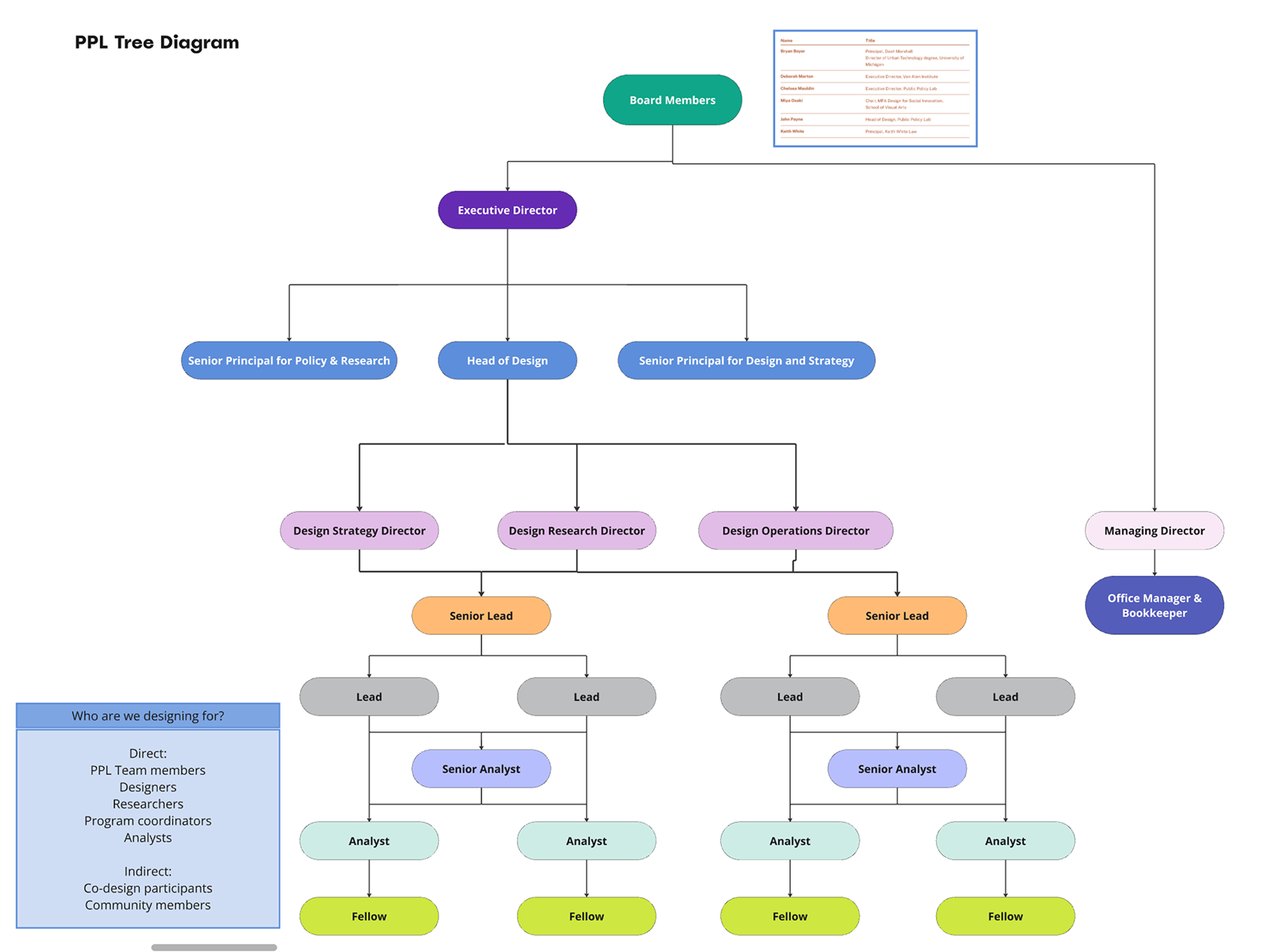
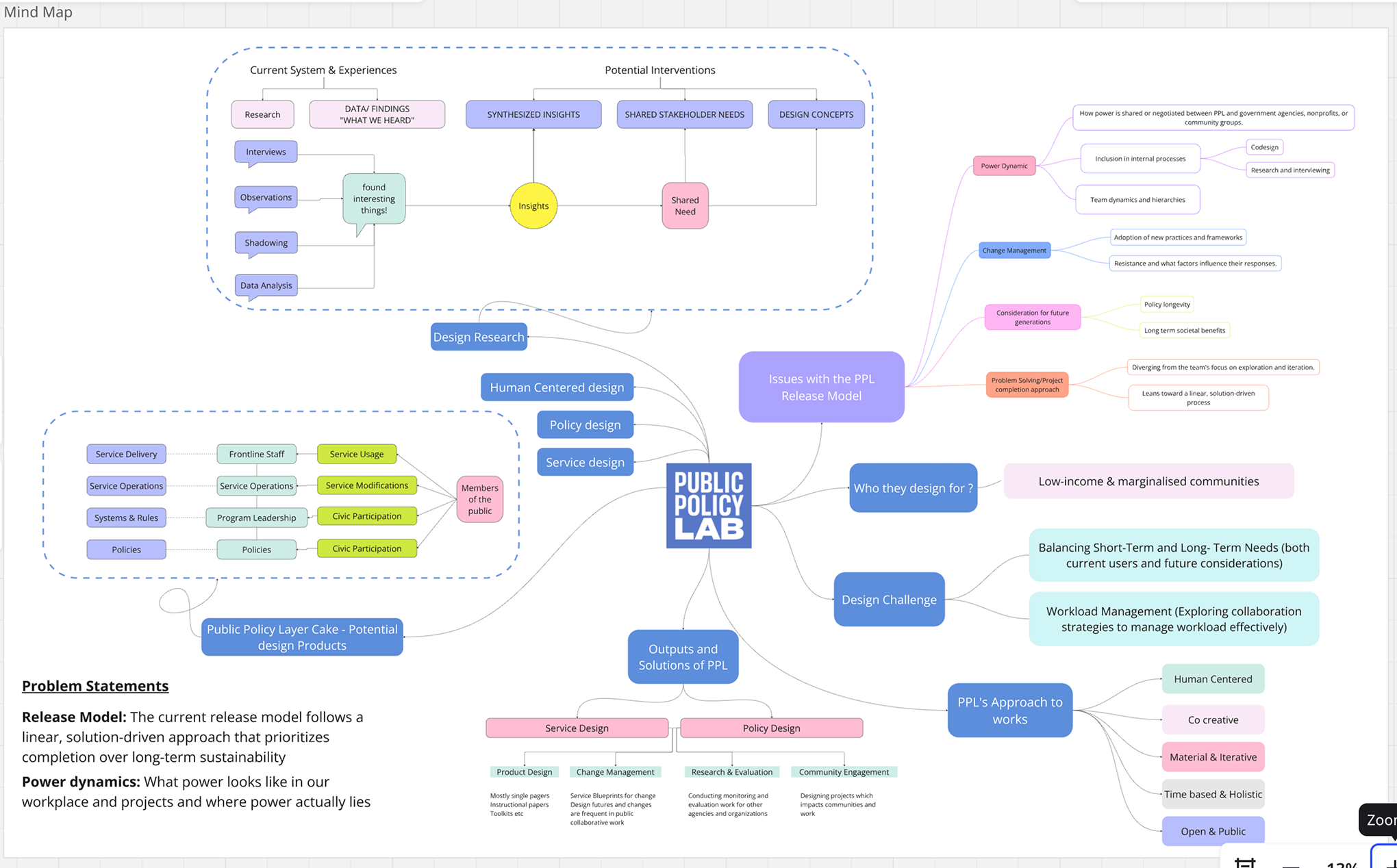
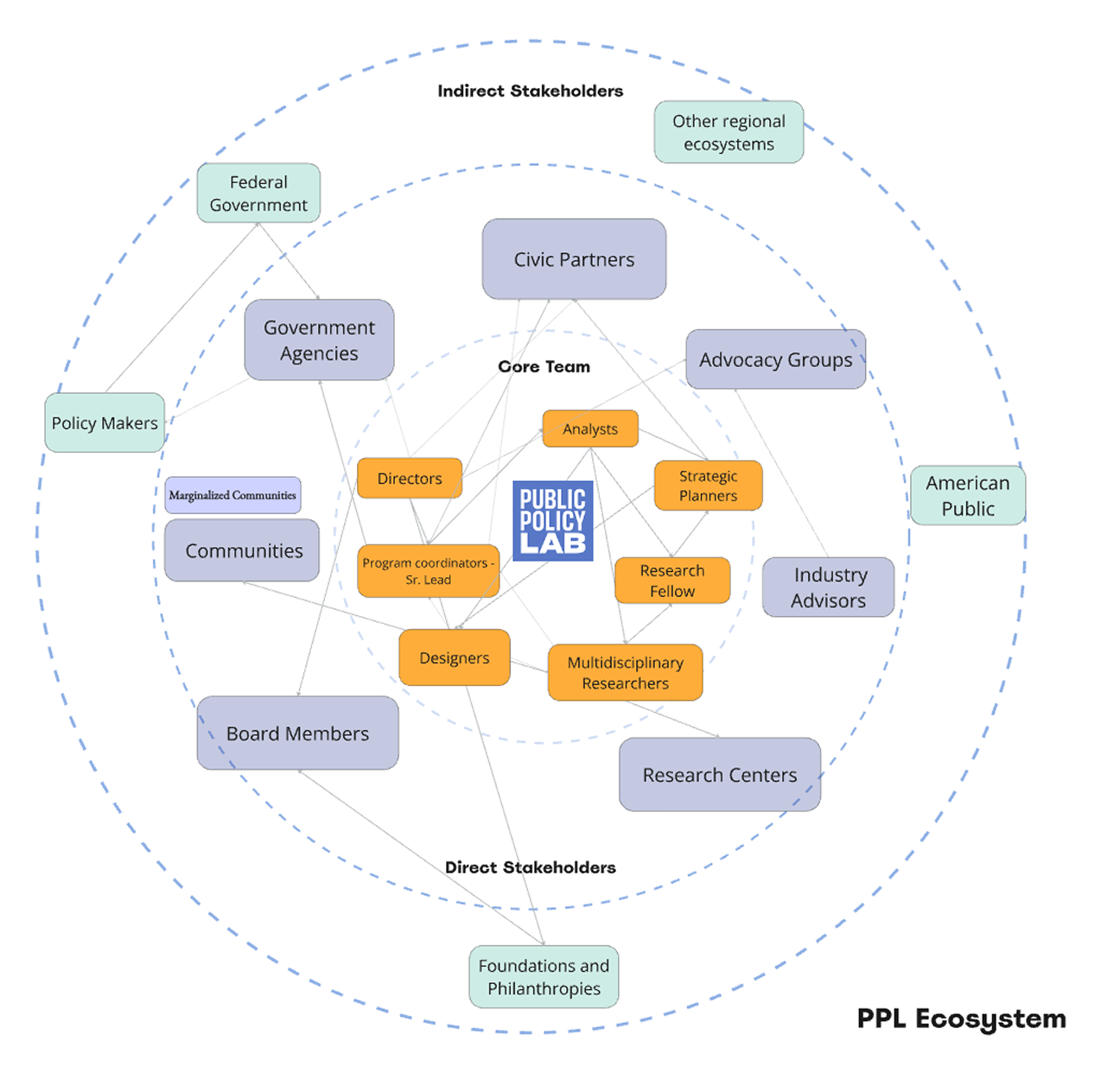
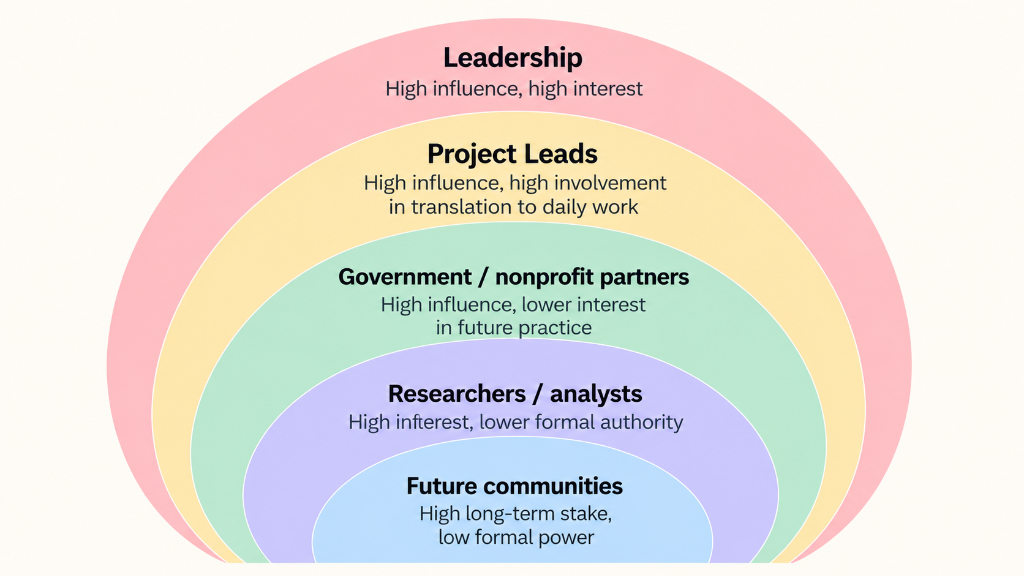
I synthesized interview insights, public materials, and internal documents to map the ecosystem, organizational structure, and key stakeholders.
Mapping the organization helped surface how influence, decision rights, and incentives varied across different groups and where future-thinking work would need to align to be sustained.
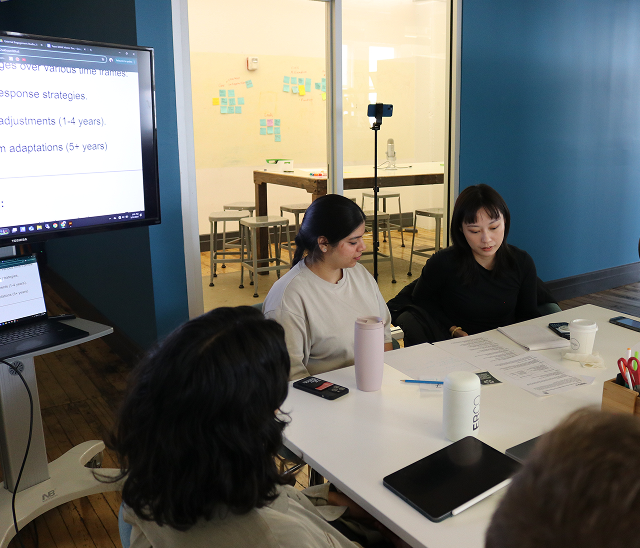
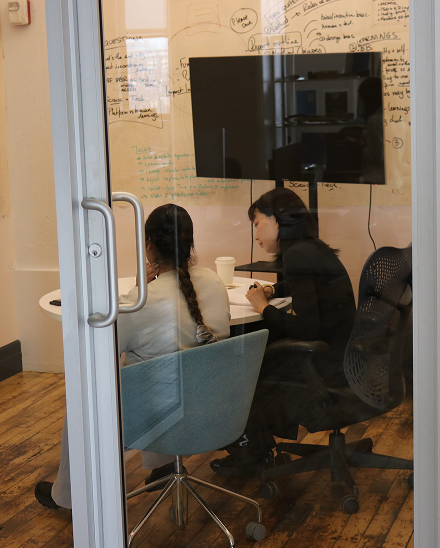
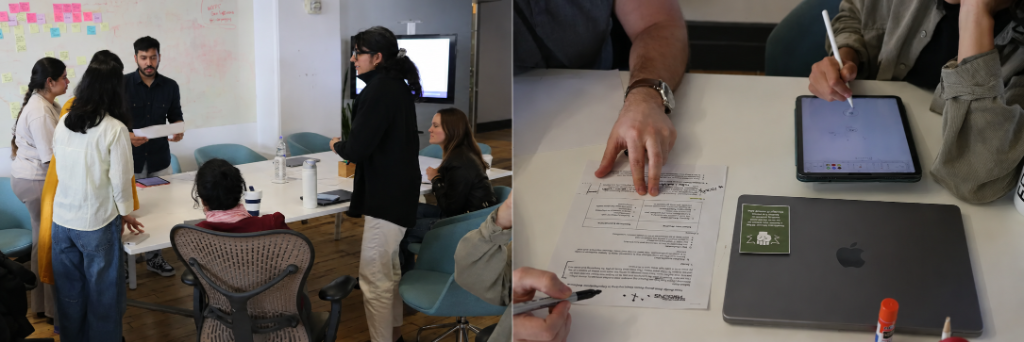
Site visits and team sessions revealed a creative, mission-driven culture, with visible artifacts, shared
spaces and blend of in-person and remote work.
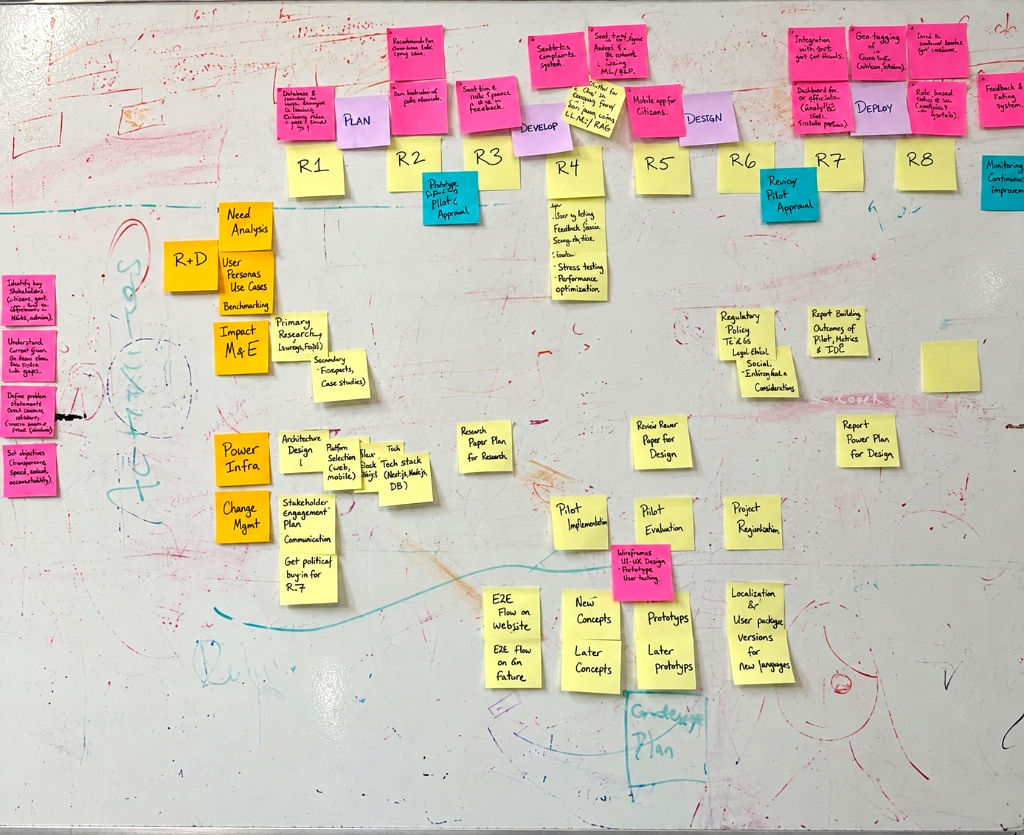
PPL has a formal release model for project delivery, but in practice, work moved in a more fluid,
non-linear way. Our research and workflow mapping showed where future-facing insights tended
to leak out and why.
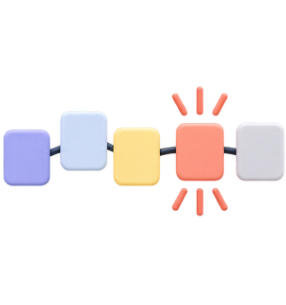
A simplified view of how projects were intended to move.
Where future-facing insights often leaked out.
“Future work starts during scoping—how we pitch the work determines if future thinking is included.”
If futures thinking entered too late, it became easier to drop.
“If we interview 20 people and pull 30 quotes from each, that's 600 insights to manually group in Figma.”
Teams needed a lighter way to carry insight forward, not another synthesis burden.
“Future thinking is challenging because we're stretched thin delivering immediate results.”
Any intervention had to fit real delivery schedules, partner constraints, and delivery pressure.
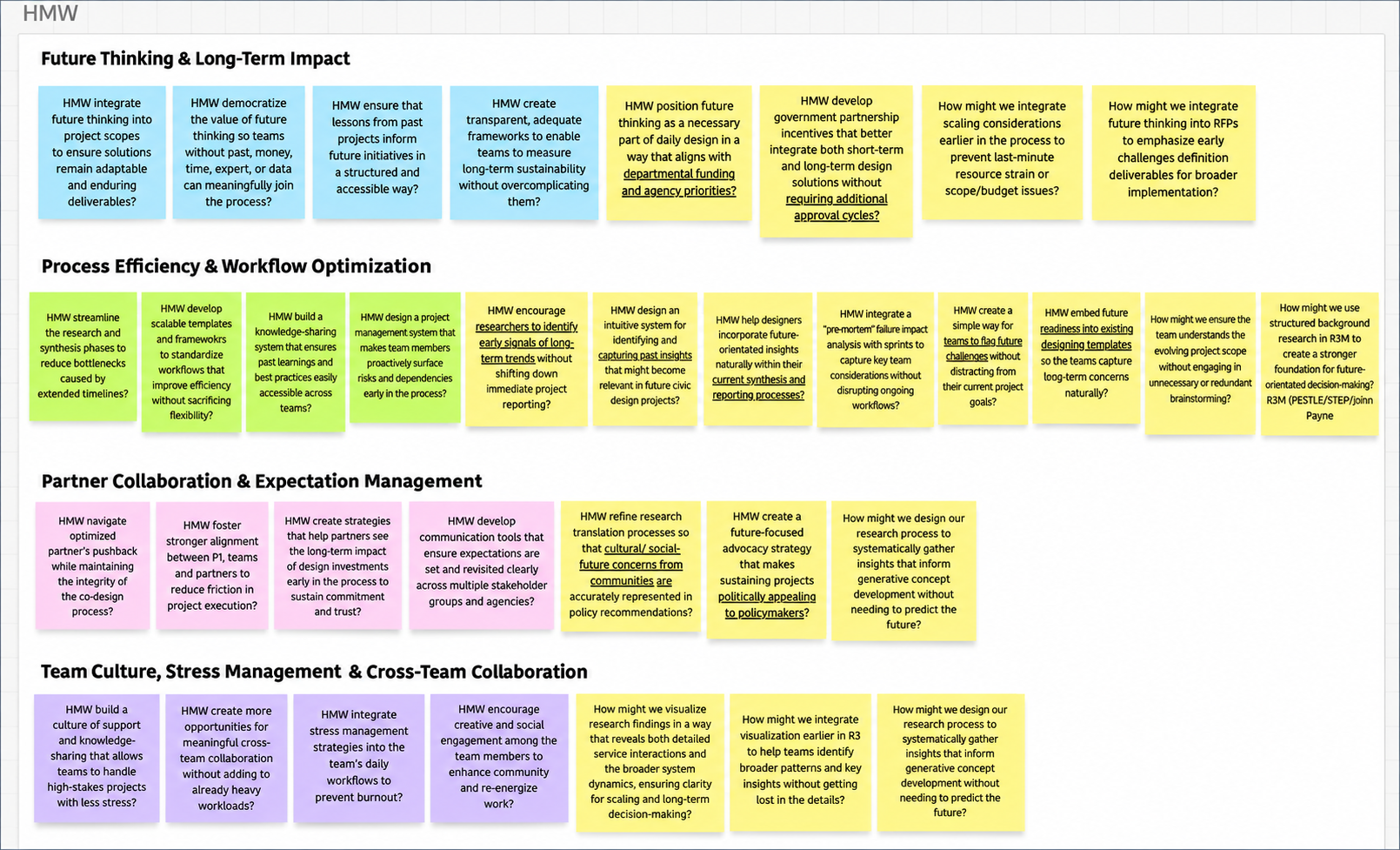
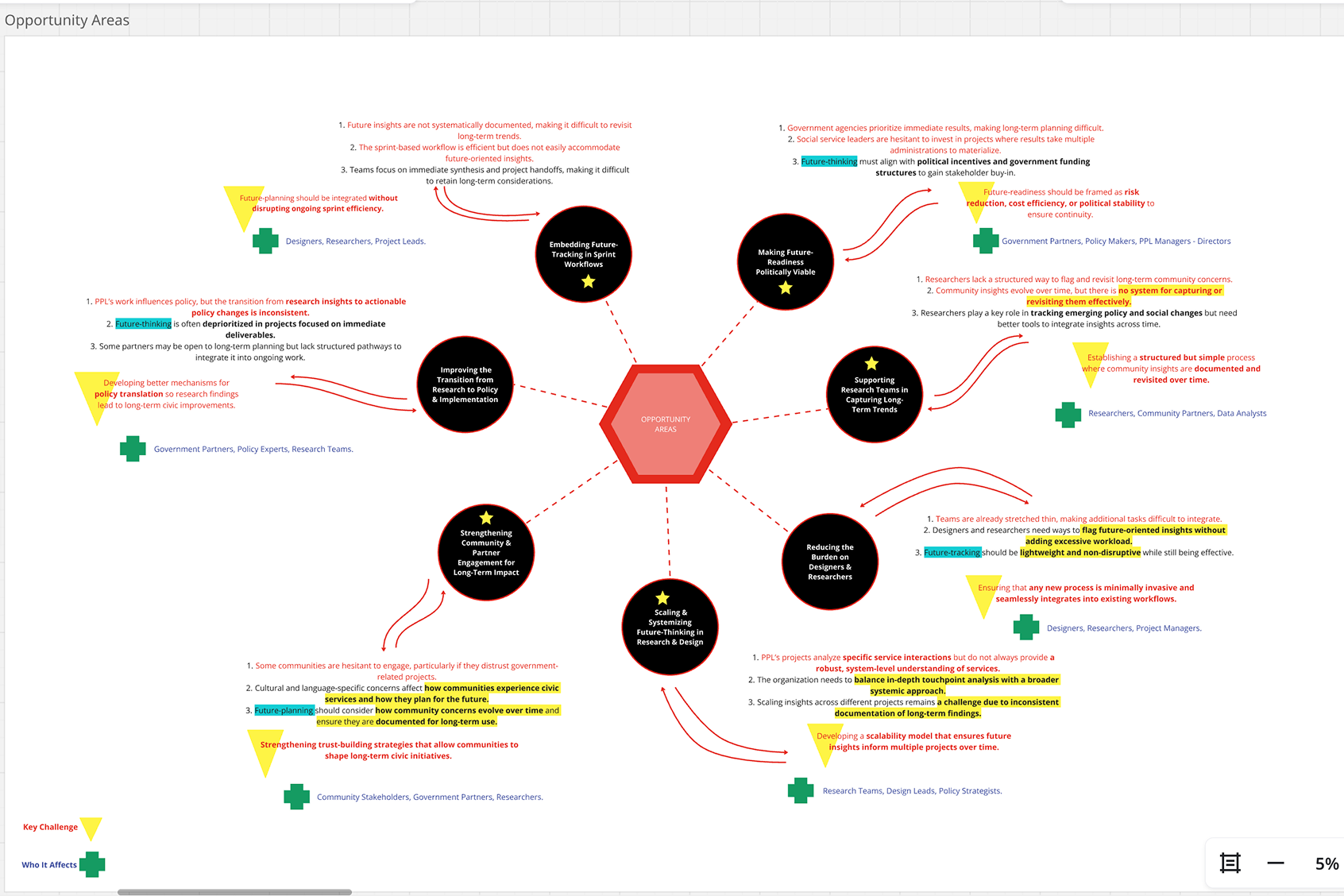
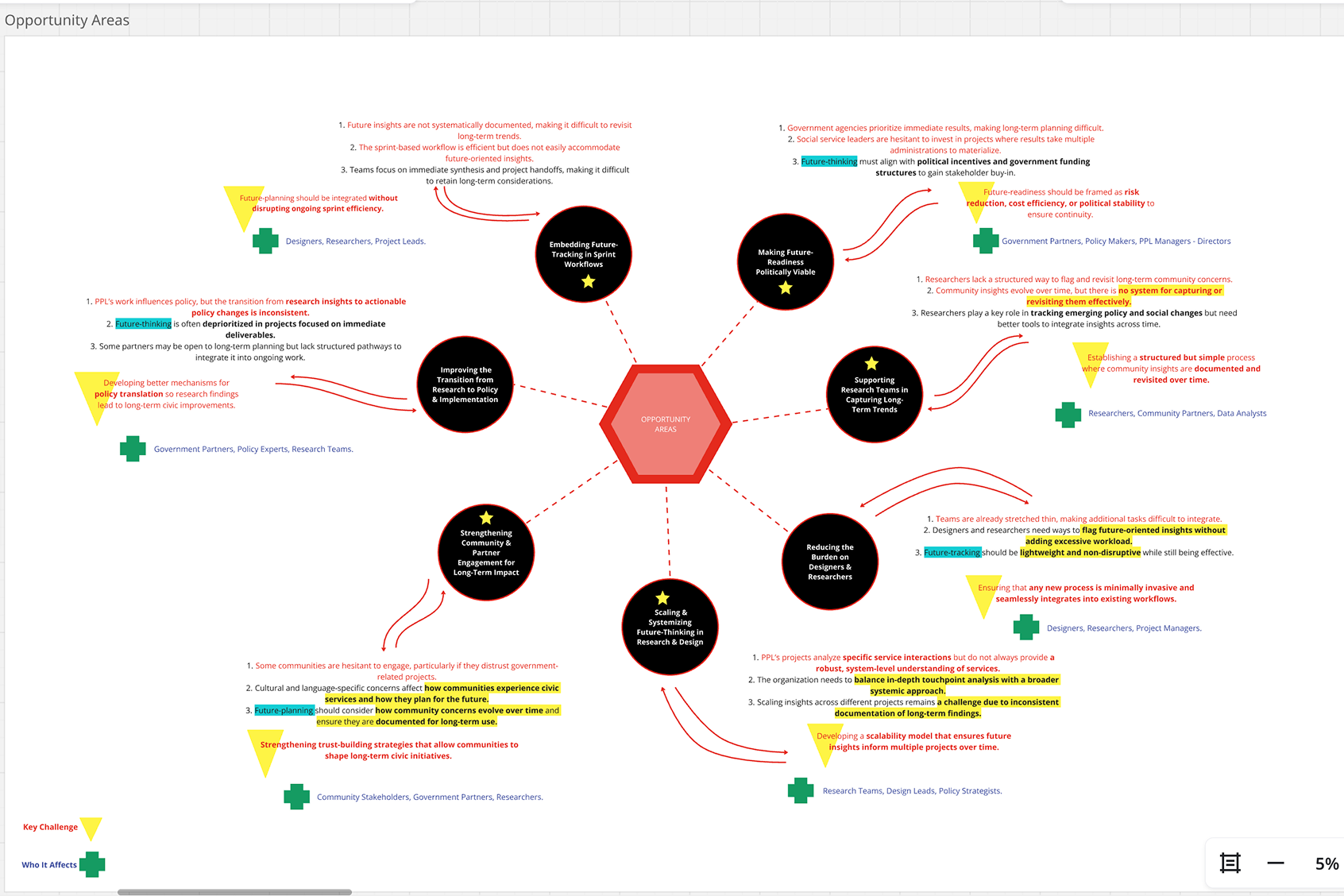
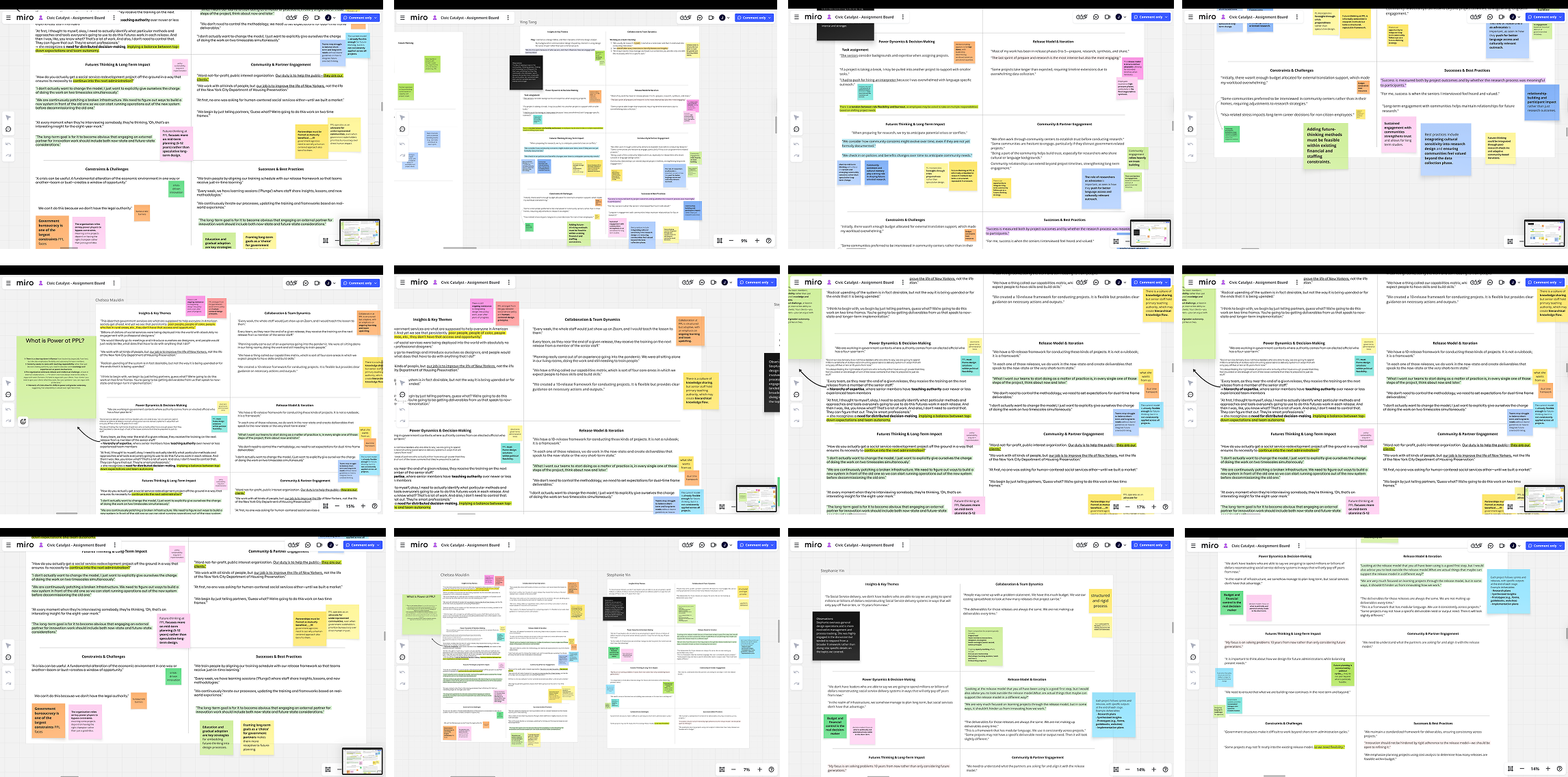
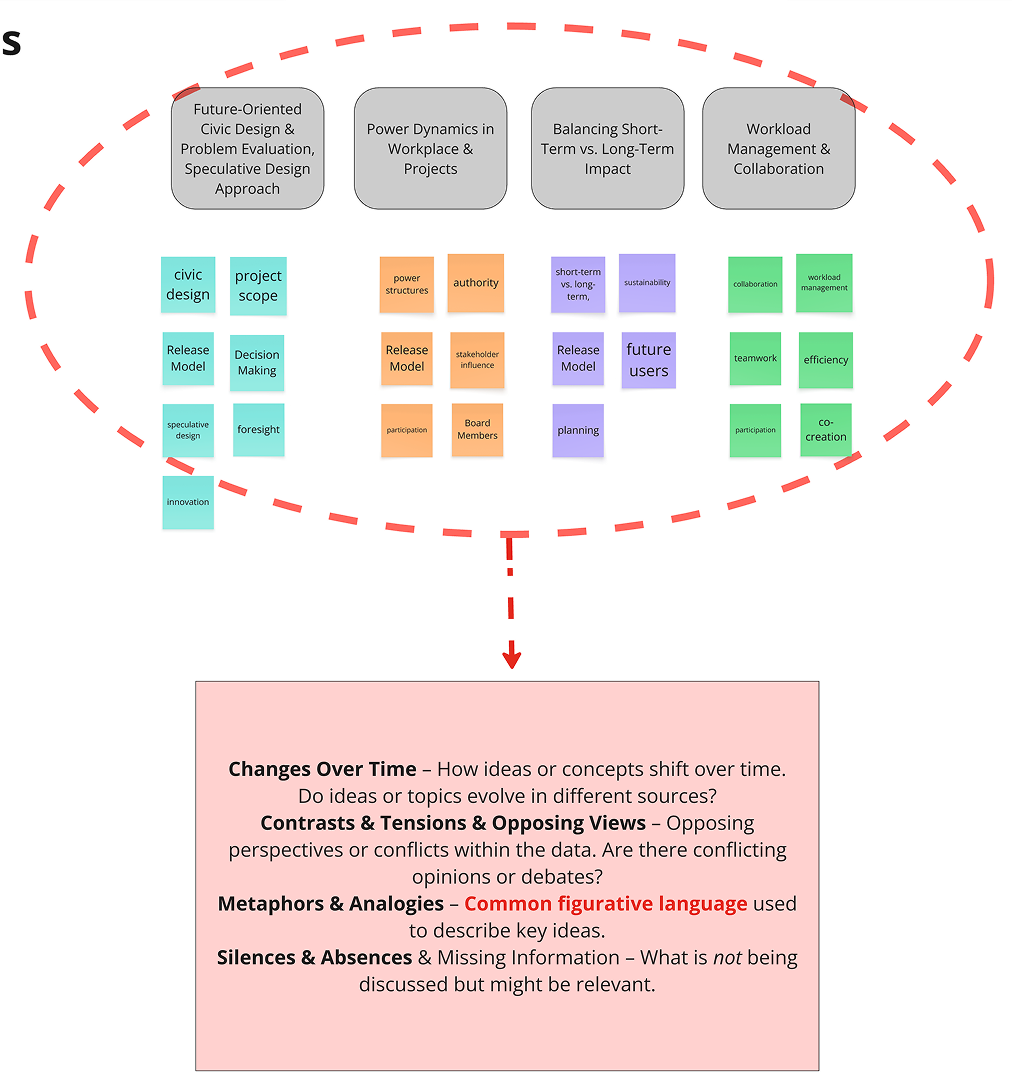
These patterns emerged across 19 interviews, workshop activities, and artifact review. A few examples from the analysis:
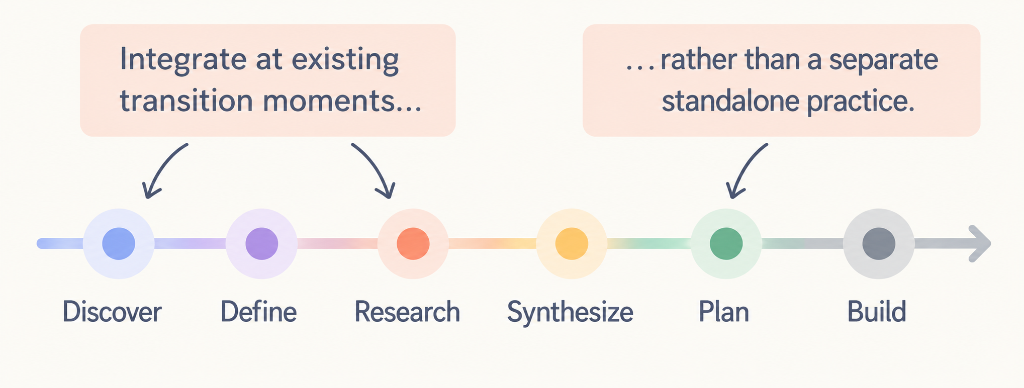
The strategy was not to add a new practice, but to redesign where reflection could live.
Fit existing rhythms and meetings.
Use playful prompts to invite conversation.
Good workshops create energy; good artifacts preserve it.
Support a fluid team structure without becoming rigid.
Turn abstract futures thinking into concrete next steps.
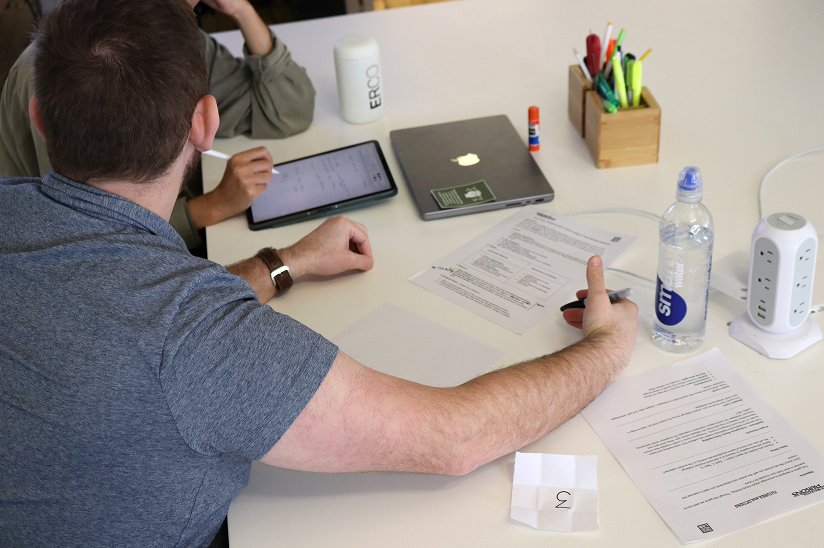
We tested the prototype tools across 4 real civic project teams, observing how facilitators navigated prompts and where friction emerged under tight meeting time constraints.
Not every release stage offered equal leverage. The strongest opportunities appeared where work
changed direction, partners aligned, or decisions were handed forward.
Instead of asking teams to adopt another standalone workshop or methodology, the intervention translated futures thinking into a format that could sit alongside work they already do.
Practical tools
for a more
equitable tomorrow.
Choose where you are in the release model.
Pick a method you already use in your work.
Combine with a method to expand the time horizon.
Use the prompts, discuss, and capture insights.
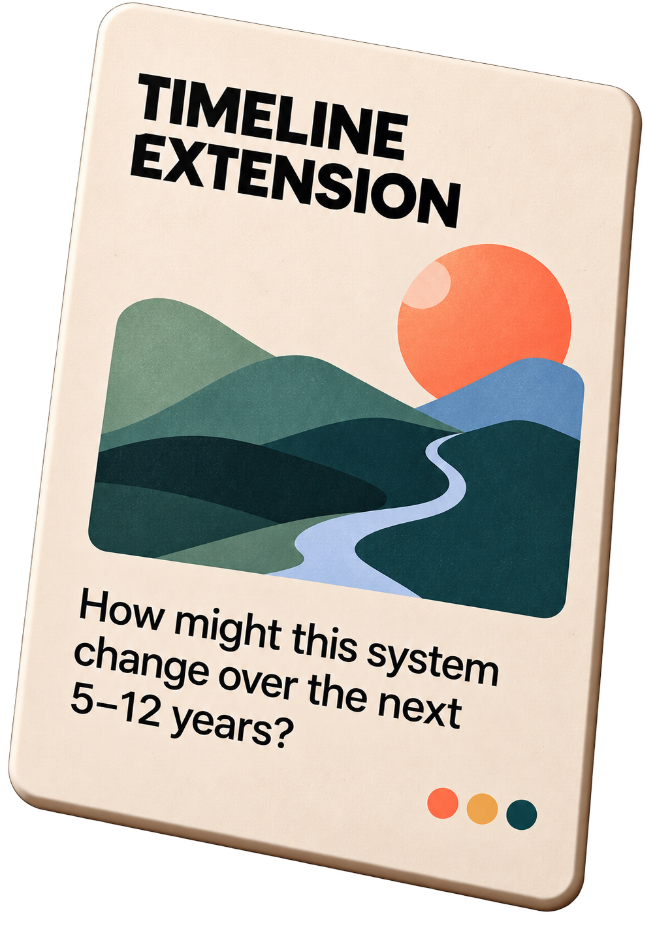
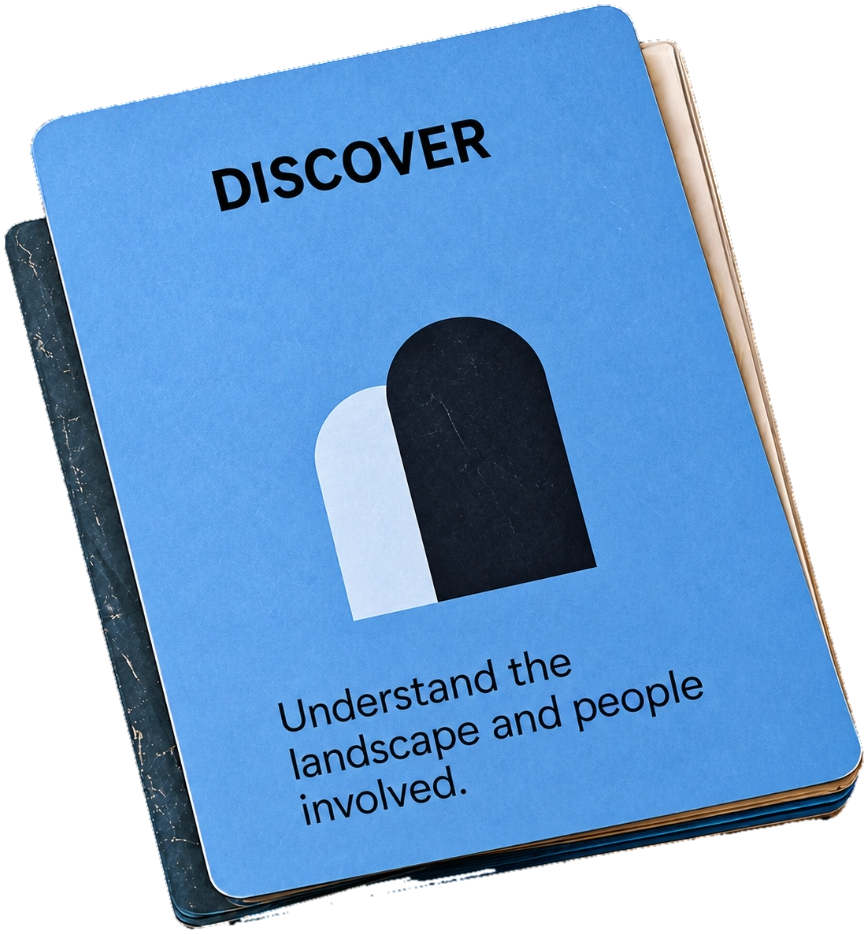
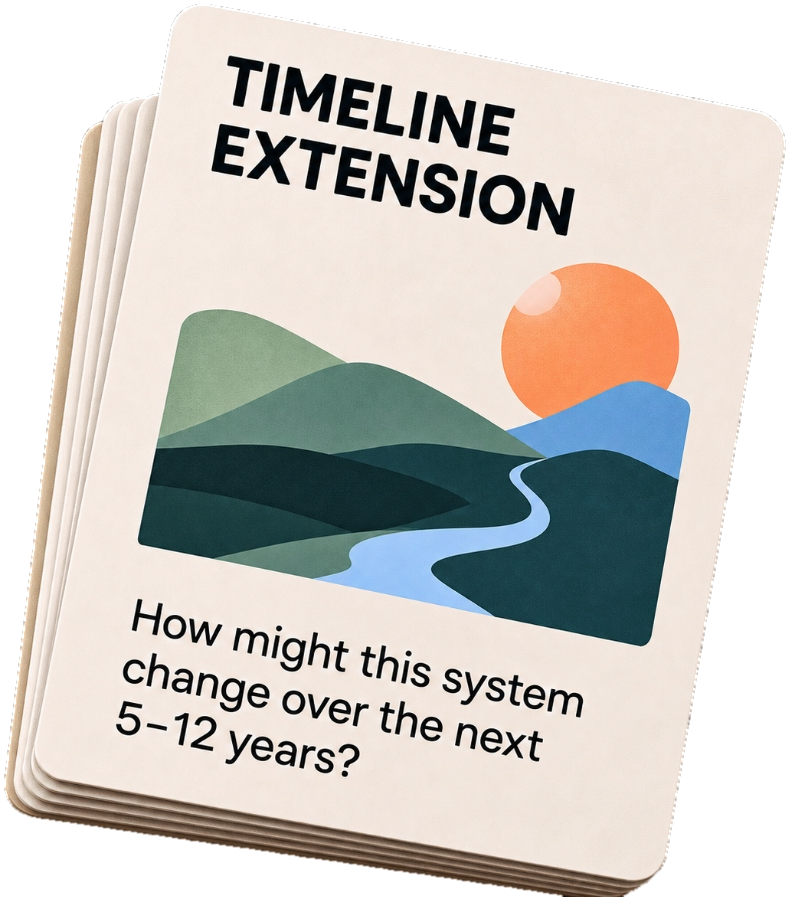
Phases whereUsing System Mapping to understand the current landscape, and Timeline Extension to imagine how the system could evolve over the next 5–12 years.
Initial card concepts tested with PPL teams
during co-design workshops.
Refined through feedback from PPL staff,
tested for fit within real project workflows.
Our card concepts informed the final toolkit,
which PPL further developed and released.
This portfolio shows
the evolution, research and
design contribution from the studio,
which informed PPL’s final
published toolkit.
Two focused tests in realistic contexts helped clarify what worked, what felt plausible, and where
more evidence is still needed.
Tested in a 20-minute group activity + 10-minute share-out to fit realistic meeting windows.
Tested different placement options and mapped them onto the release model.
What worked and felt realistic in context.
Participants engaged quickly and got into the activity.
The prompts helped teams surface meaningful insights.
Teams saw natural fit at existing transition points.
Helped capture and carry insights forward beyond the session.
Areas that need more evidence.
We don’t yet know if this sustains over time.
Not yet tested with external partners.
Unclear how often canvases and prompts would be reused across different projects.
Not yet tested beyond initial team workshops.
The intervention was designed to create value for teams, Project Leads, PPL, and future communities
while also changing how I think about organizational design.
A shared vocabulary for raising long-term questions during delivery.
Support for scope conversations, partner alignment, and decision continuity.
A repeatable structure for carrying learning across projects without rewriting the whole release model.
Increased chance that long-term consequences stay visible earlier in the work.
Good ideas are necessary, but they only create impact when they align with real organizational timing, incentives, and decision-making structures.
Engagement in a session doesn’t guarantee adoption. Designing for what happens after the workshop is just as important as the workshop itself.
Mapping the wider system helped me see the role of partners, leadership, and organizational structures in sustaining the work.
It’s important to be clear about the limits of the research and where more evidence is needed.